 English
 Deutsch
 Spanish
 Russian
 Italian



We use cookie to improve your experience on our site. By using our site you consent cookies. Learn more




Fill in the form to get detailed information and make an appointment, we will contact you.


Patients
Surgeries
Trustpilot
Translator Support
Patient Satisfaction

Loose and excess skin around the back can become more noticeable after significant weight loss or with aging. Although regular exercise and weight management can improve overall body appearance, excess skin does not always tighten on its own. Back lift surgery aims to remove or reshape excess skin in the back and side areas to create a smoother body contour. Below, we will explain when back lift surgery may be considered and why personalized planning is important. Why Is Back Lift Surgery Performed? Loose skin around the back can become particularly noticeable after significant weight loss. Excess skin may create folds beneath clothing or make the body's contours appear uneven. Back lift surgery can help address excess skin and tissue in the back area. The goal is not simply to remove skin, but to create a more harmonious appearance between the back and the body's overall contours. Who May Be a Candidate for Back Lift Surgery? People with significant excess or loose skin around the back may be evaluated for this procedure. Patients whose weight has stabilized after significant weight loss may be suitable candidates. However, every person's skin quality, body shape, and expectations are different. Therefore, a detailed evaluation before surgery is important. What Can Be Changed With Back Lift Surgery? The scope of the procedure depends on the individual's needs. Removing excess skin and tightening loose tissues can help create a smoother back contour. Some patients may also have excess fat in the back area. In such cases, the surgeon can determine whether additional procedures may be appropriate based on the patient's anatomy and individual needs. Why Is Personalized Planning Important? Back lift surgery is not simply about removing excess skin. Body proportions, skin elasticity, changes in body weight, and the desired appearance can all influence the treatment plan. For this reason, creating a surgical plan based on the patient's existing body structure is important for achieving a natural and balanced result. Conclusion Back lift surgery can help address excess and loose skin around the back, particularly after significant weight loss or as a result of aging. The goal is not simply to remove excess skin, but to create a firmer, more balanced back contour that complements the body's overall shape.
Read More
Rhinoplasty is one of the most popular aesthetic procedures performed to improve the shape and proportions of the nose. However, rhinoplasty is not only about changing the nose itself. Since the nose is located at the center of the face, even small changes can affect the overall facial profile and harmony. Below, we will explain how rhinoplasty can affect facial appearance and why facial proportions are important when planning nose surgery. How Does Rhinoplasty Affect Facial Profile? The nose plays an important role in facial appearance, especially when viewed from the side. The nasal bridge, nasal tip, and the angle between the nose and upper lip can affect the overall balance of the face. For example, a prominent nasal hump may make the nose appear more dominant, while a recessed chin can make the nose look larger than it actually is. Therefore, evaluating the nose together with the rest of the face is important when planning rhinoplasty. What Can Be Changed With Rhinoplasty Surgery? Depending on the patient's anatomy and expectations, rhinoplasty surgery can address the nasal bridge, nasal tip, nostrils, and overall nasal proportions. Reducing a prominent hump can create a more balanced profile, while reshaping the nasal tip can improve the relationship between the nose and upper lip. However, making the nose smaller does not always mean achieving a better result. The proportions of the nose should complement the rest of the face. Why Is Facial Harmony Important? The relationship between the nose, chin, lips, and forehead can significantly influence the overall appearance of the face. A personalized approach considers how these structures relate to each other rather than focusing only on the nose. Since every face is different, there is no single nose shape that is suitable for everyone. Facial structure, skin characteristics, nasal anatomy, and personal expectations should be evaluated before surgery. Rhinoplasty in Turkey For patients considering rhinoplasty in Turkey, choosing a hospital that provides personalized evaluation and treatment planning is an important step. A detailed consultation can help determine an approach that suits the patient's facial structure and aesthetic goals. Conclusion Rhinoplasty is more than simply changing the size or shape of the nose. When carefully planned, it can improve the harmony between the nose and the rest of the face while maintaining a natural appearance. The goal is not simply a different nose, but a more balanced and harmonious facial profile.
Read More
After rhinoplasty, the appearance or function of the nose may not always completely meet the patient's expectations. In some cases, changes that occur during the healing process, the effects of previous surgery, or differences in the nasal structure may require further evaluation. Revision rhinoplasty can be performed to address aesthetic or functional concerns in patients who have previously undergone nasal surgery. Below, we will explain why revision rhinoplasty may be considered and why a second nose surgery requires personalized planning. Why May Revision Rhinoplasty Be Necessary? After the first rhinoplasty, patients may experience asymmetry, irregularities, unwanted contour changes, or breathing difficulties. In some cases, the patient may simply be dissatisfied with the aesthetic result. However, not every difference after surgery requires revision. Since nasal tissues need time to fully heal, it is important to evaluate the healing process before considering another procedure. Why Is a Second Nose Surgery Different? Revision rhinoplasty can be more complex than the first surgery. The nasal cartilage and other tissues may have already been altered during the previous procedure. In addition, scar tissue can affect the existing anatomy and the new surgical plan. For this reason, a detailed evaluation of the current nasal structure is particularly important during revision surgery. What Can Be Addressed With Revision Rhinoplasty? Depending on the patient's needs, irregularities on the nasal bridge, nasal tip shape, asymmetry, or certain structural problems affecting breathing can be addressed. In some cases, cartilage grafts may be needed to strengthen the structural support of the nose. The appropriate technique depends on the extent of the previous surgery and the current nasal structure. Why Is Personalized Planning Important? Every revision rhinoplasty case is different. The previous surgical procedure, existing cartilage structure, scar tissue, skin characteristics, and the patient's expectations can all influence the treatment plan. Therefore, during a second nose surgery, it is important to evaluate not only the appearance but also the aesthetic and functional structure of the nose. Why Is Patience Important After Revision Rhinoplasty? Recovery after revision surgery also takes time. The reduction of swelling and the development of the final nasal shape can vary from person to person. During this period, following the doctor's recommendations and allowing the results to develop gradually are important. Conclusion Revision rhinoplasty can be an option for patients who have previously undergone nose surgery and require further evaluation for aesthetic or functional reasons. The goal is not simply to perform a second surgery, but to carefully evaluate the existing nasal structure and achieve a more balanced, natural, and functional result.
Read More
A more prominent chest area in men is not always caused by excess weight. While body fat can change the appearance of the chest, gynecomastia involves the development of male breast tissue and can have different causes. Understanding the difference between these two conditions can be an important first step for men who are concerned about the appearance of their chest. Why Can the Male Chest Look More Prominent? Weight gain can increase the amount of fat stored around the chest, making the area appear larger. However, some men may continue to have a prominent chest even after losing weight. This can happen when the appearance is related not only to fat but also to underlying breast tissue. Hormonal changes, genetics, and other individual factors can also influence the development of gynecomastia. What Is the Difference Between Gynecomastia and Body Fat? When chest enlargement is mainly caused by excess fat, the tissue is generally softer and may change as overall body weight changes. In gynecomastia, glandular breast tissue can contribute to the enlargement of the chest. The two conditions can also occur together, making professional evaluation important when determining the underlying cause. Can Exercise Eliminate Gynecomastia? Exercise and weight management can help reduce excess body fat and improve overall chest definition. However, exercise does not directly remove developed glandular breast tissue. For this reason, men who maintain a healthy weight but continue to experience a prominent chest may benefit from a medical evaluation to understand the cause. When Should You Consider an Evaluation? If the chest remains noticeably enlarged despite weight loss and regular physical activity, it may be useful to consult a specialist. A personalized assessment can help determine whether the appearance is primarily related to fat, glandular tissue, excess skin, or a combination of factors. Conclusion Not every prominent male chest is caused by excess weight. Understanding whether the appearance is related to body fat, glandular tissue, or both is important when considering the appropriate approach. The goal of gynecomastia treatment is not simply to reduce volume, but to create a more balanced and natural-looking chest contour that fits the individual's body.
Read More
A smile is an important part of facial expression, and the shape, color, and alignment of the teeth can influence the overall appearance. Known as a Hollywood Smile, smile design combines different dental treatments to create a more aesthetic and harmonious smile. So, what is a Hollywood Smile and which treatments may be included in smile design? Let’s take a closer look. What Is a Hollywood Smile? A Hollywood Smile refers to a personalized approach to smile design that aims to create a more aesthetic and balanced appearance of the teeth. The treatment plan can vary from patient to patient. The color, shape, size, alignment of the teeth, and appearance of the gums may all be evaluated to create an individualized plan. What Treatments Can Be Used in Smile Design? Smile design does not necessarily consist of a single treatment. Depending on the patient’s needs, different dental procedures may be considered. These may include: Zirconium crowns Porcelain veneers Teeth whitening Gum aesthetics Dental implants for missing teeth The appropriate combination of treatments is determined following a dental examination. Who May Be Suitable for a Hollywood Smile? People who are unhappy with the appearance of their teeth and want to achieve a more aesthetic smile may consider smile design. However, every patient has different oral structures and needs. Therefore, evaluating the overall health of the teeth and gums before treatment is important. How Is Smile Design Planned? Smile design considers more than just the appearance of the teeth. The overall facial structure is also taken into account. The shape and size of the teeth, smile line, tooth color, and appearance of the gums can be evaluated together to achieve a natural and balanced result. The patient’s expectations are also considered when creating the treatment plan. How Long Does a Hollywood Smile Take? The duration of a Hollywood Smile treatment depends on the procedures included and the patient’s existing oral and dental health. A treatment involving only aesthetic veneers may take less time than a comprehensive plan that includes dental implants or gum procedures. International patients should discuss their treatment timeline with their dentist before making travel arrangements. What Should You Consider After a Hollywood Smile? Paying attention to oral and dental care after smile design can help maintain the results. Regular dental check-ups, proper oral hygiene, and following the dentist’s recommendations are important. A Hollywood Smile is not about giving every patient the same smile. Instead, it is a personalized approach designed to create a balanced appearance that complements the individual’s facial and dental structure.
Read More
Significant weight loss can lead to important changes in both health and quality of life. However, after losing a considerable amount of weight, excess and loose skin may remain in certain areas of the body, particularly the upper arms. This excess skin may not disappear completely with diet and exercise and can affect a person’s aesthetic expectations. So, can an arm lift help with sagging arms after weight loss? Let’s take a closer look. What Is an Arm Lift? An arm lift, also known as brachioplasty, is a cosmetic surgery procedure designed to remove excess skin and, when necessary, fat tissue from the upper arms. Especially after significant weight loss, excess skin in the arm area may not tighten completely on its own due to reduced skin elasticity. An arm lift can help remove excess skin and create a firmer and more defined appearance in the upper arms. Why Do Arms Become Saggy After Weight Loss? As the body gains weight, the skin stretches to accommodate the increased volume. After significant weight loss, the skin may not always return completely to its previous elasticity. This can become more noticeable due to factors such as: Significant weight loss Reduced skin elasticity with age Genetic factors Long-term excess weight While exercise can help strengthen the muscles, significant amounts of excess skin cannot always be eliminated through exercise alone. Who May Be Suitable for an Arm Lift? An arm lift may be considered for people who have significant excess skin and sagging in the upper arms. In addition to patients who have experienced major weight loss, people experiencing age-related skin laxity may also be candidates for the procedure. Suitability is determined by evaluating the individual’s overall health, skin condition, amount of excess skin, and expectations. Can an Arm Lift and Liposuction Be Performed Together? Some patients may also have excess fat in the upper arm area. In these cases, an arm lift and liposuction may be considered together. While liposuction helps reduce localized fat, an arm lift focuses on removing excess skin. Whether the two procedures can be combined depends on the patient’s needs and overall health and should be determined by the surgeon. What Is the Recovery Process Like After an Arm Lift? Recovery after an arm lift can vary from person to person. The extent of the procedure, the technique used, and the patient’s overall health can all influence the recovery process. Swelling, tenderness, or bruising may occur after surgery. Following the doctor’s recommendations, attending follow-up appointments, and returning to physical activities at the recommended time are important parts of recovery. Is an Arm Lift Right for You After Weight Loss? An arm lift may be considered when excess skin and sagging after weight loss are significant and cannot be adequately addressed through exercise alone. However, every patient has different body characteristics and needs. The most appropriate treatment should be determined by a specialist plastic surgeon after evaluating the patient’s overall health, skin elasticity, and expectations. With proper planning, an arm lift can help remove excess skin after weight loss and create a firmer and more balanced appearance in the arms.
Read More
The eyes are one of the most noticeable areas of the face. However, aging, genetics, and changes in skin elasticity can gradually affect the appearance of the eye area. Drooping eyelids, under-eye bags, and changes in the surrounding tissues may make a person look tired even when they feel completely rested. Below, we will explain why the eye area can appear tired over time and how understanding these changes can help when considering eyelid surgery. Why Can the Eye Area Look Tired? Several factors can contribute to a tired-looking eye area. As the skin loses elasticity, the upper eyelids may become heavier, while changes in the tissues beneath the eyes can create a puffy or swollen appearance. Genetics can also play a role. Some people may develop under-eye bags or drooping eyelids at a younger age, even without significant signs of aging. How Does Aging Affect the Eyelids? With age, the skin around the eyes can become thinner and less elastic. Changes in the distribution of fat and the surrounding tissues may also affect the contours of the upper and lower eyelids. These changes can make the eyes appear smaller, heavier, or more tired. In some cases, excess skin on the upper eyelid may even affect the field of vision. Can Eyelid Surgery Refresh Your Appearance? Eyelid surgery, also known as blepharoplasty, can address certain age-related changes around the eyes. Depending on the individual's needs, the procedure may involve the upper eyelids, lower eyelids, or both. The aim is not simply to remove excess tissue. A personalized approach focuses on maintaining the natural structure of the eye area while creating a more refreshed appearance. Why Is Personalized Planning Important? Every person's eye area is different. Skin quality, eyelid structure, facial proportions, and the amount of excess skin or tissue can all influence the treatment plan. A detailed consultation allows these factors to be evaluated before deciding whether blepharoplasty is appropriate for the individual. Conclusion A tired-looking eye area is not always related to lack of sleep. Aging, genetics, and natural changes in the tissues around the eyes can all contribute to this appearance. The goal of eyelid surgery is not to change the character of the face, but to create a fresher and more natural-looking appearance while respecting the individual's features.
Read More
The shape and position of the ears can influence the overall appearance of the face. Otoplasty is a cosmetic surgery procedure that can help create a more balanced and natural-looking appearance of the ears. So, what is otoplasty and who may be suitable for it? Let’s take a closer look. What Is Otoplasty? Otoplasty, commonly known as ear surgery, is a surgical procedure designed to correct the shape, size, or position of the ears in relation to the head. The treatment plan is personalized according to the patient’s ear structure and aesthetic expectations. Who May Be Suitable for Otoplasty? People who are unhappy with the appearance of their ears and want to improve their ear shape may be considered for otoplasty. The procedure can also be performed on children once the ears have reached sufficient development. How Is Otoplasty Performed? During surgery, the shape and position of the ear cartilage can be adjusted according to the desired appearance. Excess cartilage or skin may also be corrected when necessary. The appropriate technique is determined according to the patient’s individual ear structure. What Is the Recovery Process Like After Otoplasty? Swelling, tenderness, or mild bruising around the ears may occur after surgery. Recovery can vary from person to person. Using the bandage or headband recommended by the doctor and protecting the ears from impact are important parts of the recovery process. Are Otoplasty Results Permanent? Otoplasty results are generally intended to be long-lasting. However, the final appearance may take time to become fully visible as the healing process progresses. Following the doctor’s recommendations during recovery can help maintain the results. Is Otoplasty Right for You? Otoplasty may be an option for people who are unhappy with the appearance of their ears. However, every patient has different ear structures and expectations. The most appropriate approach should be determined following an evaluation by a specialist plastic surgeon.
Read More
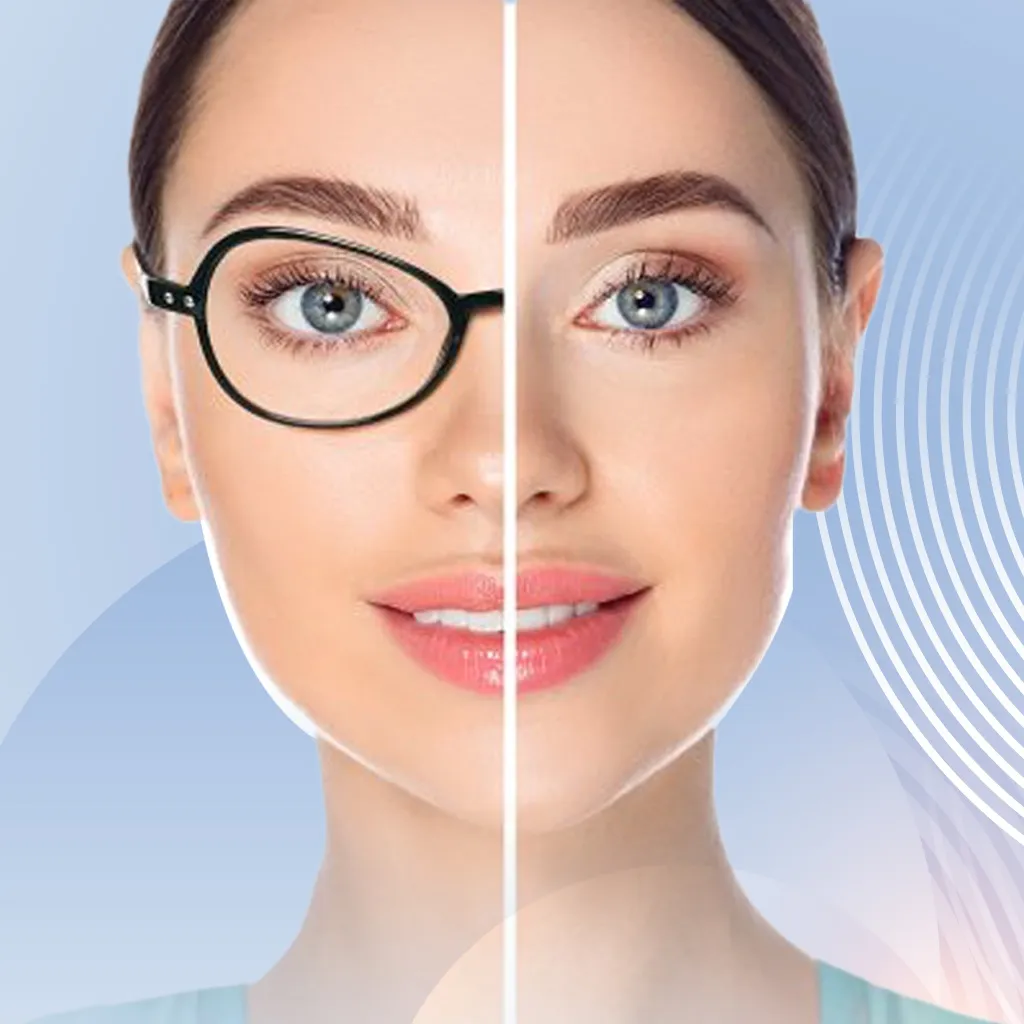
There are different vision correction options for people who want to reduce their dependence on glasses or contact lenses. LASIK and trifocal lenses are two different eye treatments designed for different needs. So, what are the differences between LASIK and trifocal lenses, and which treatment may be more suitable for you? Let’s take a closer look. What Is LASIK? LASIK is a laser eye surgery used to correct refractive errors such as myopia, hyperopia, and astigmatism. During the procedure, the shape of the cornea is reshaped using laser technology. In suitable patients, it can help reduce the need for glasses or contact lenses. What Are Trifocal Lenses? Trifocal lenses are intraocular lenses that are particularly used during cataract surgery and are designed to provide improved vision at different distances. They can support vision at near, intermediate, and far distances, potentially reducing the need for glasses in everyday life for some patients. What Are the Differences Between LASIK and Trifocal Lenses? LASIK focuses on correcting refractive errors by reshaping the cornea, while trifocal lens treatment involves placing an artificial lens inside the eye. LASIK is generally considered for people with a suitable corneal structure who want to correct refractive errors with laser surgery. Trifocal lenses may be considered particularly for patients with cataracts or those who require lens replacement. Which Treatment May Be Right for You? The choice of treatment depends on factors such as age, eye health, corneal structure, existing vision problems, and the presence of cataracts. For patients who are not suitable for LASIK or who have age-related changes in the natural lens, different lens options may be considered. The suitability of trifocal lenses is also determined after a comprehensive eye examination. LASIK or Trifocal Lenses? LASIK and trifocal lenses are not direct alternatives to each other. Both treatments are designed for different eye conditions and patient needs. To determine the most suitable option for you, an ophthalmologist should evaluate your eye health, vision problems, and personal expectations. The right treatment plan can help identify the vision solution that best suits your eye structure and daily needs.
Read More
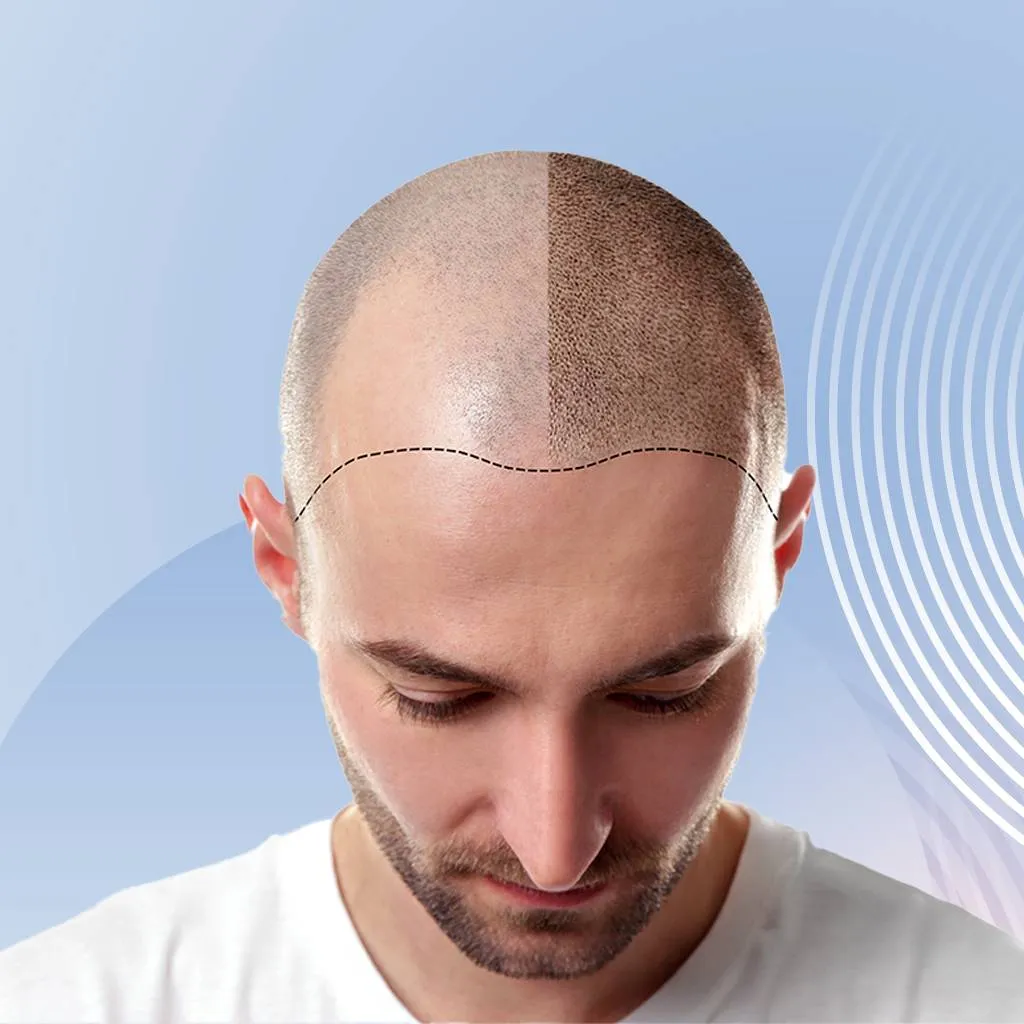
Hair transplantation is a process that requires time and patience rather than an immediate transformation. Although the procedure can be completed in a single session, transplanted hair follicles need time to adapt to their new location, shed, and begin growing again. Understanding this process can help patients develop more realistic expectations about hair transplant results. What Happens in the First Days After Hair Transplantation? During the first days after hair transplantation, the main goal is to protect the transplanted hair follicles and support the healing process. Mild redness, swelling, or sensitivity may occur during this period. The transplanted area may initially look different from the final result. Therefore, permanent hair density should not be expected immediately after the procedure. Why Does Transplanted Hair Fall Out? One of the most surprising stages after hair transplantation is temporary hair shedding. After the initial healing period, the transplanted hair shafts may fall out while the hair follicles remain in place. This process is commonly known as shock loss and does not necessarily mean that the hair transplant has failed. The follicles can remain healthy beneath the scalp and begin producing new hair during the following months. When Does New Hair Start Growing? Hair growth after hair transplantation occurs gradually. During the first few months, changes may be limited and difficult to notice. As the months progress, transplanted hair can begin to grow, thicken, and become more visible. The growth rate may vary depending on factors such as the individual's hair structure, donor area, and natural hair growth cycle. Why Do Hair Transplant Results Take Time? Hair follicles have a natural growth cycle. Therefore, visible hair growth should not be expected immediately after transplantation. Patience is an important part of the hair transplantation process. Following the doctor's recommendations and taking proper care of the scalp can support the healing process and help protect the transplanted follicles. What Determines a Natural-Looking Hair Transplant Result? A natural-looking result is not determined only by the number of transplanted grafts. Hairline design, hair growth direction, density, and harmony between transplanted and existing hair all play an important role. Therefore, every hair transplant should be planned according to the individual's hair structure and facial proportions. Conclusion Hair transplantation is a process that requires time and patience. As transplanted hair follicles enter their natural growth cycles, the final appearance gradually develops. The best hair transplant result is not the fastest one, but a natural-looking result that develops over time and complements the individual.
Read More
For people looking to reduce excess fat or loose skin around the abdomen, tummy tuck and liposuction are commonly considered cosmetic surgery procedures. While both can help create a more defined body contour, they target different concerns. So, what are the differences between tummy tuck and liposuction? Which procedure may be more suitable for you? Let’s take a closer look. What Is a Tummy Tuck? A tummy tuck, also known as abdominoplasty, is a surgical procedure designed to remove excess skin and fat from the abdominal area and, when necessary, tighten the abdominal muscles. Loose skin around the abdomen may develop after pregnancy, significant weight loss, or as skin elasticity decreases over time. These changes may not always be fully addressed through diet and exercise alone. A tummy tuck can help remove excess skin and create a firmer and flatter appearance in the abdominal area. What Is Liposuction? Liposuction is a body contouring procedure designed to remove localized fat deposits that may remain despite diet and exercise. It can be performed on different areas of the body, including the abdomen, waist, hips, thighs, arms, and back. The primary purpose of liposuction is not weight loss, but rather to create a more defined and balanced body contour. At Gözde International Hospitals, both traditional liposuction and Vaser Liposuction are available. What Are the Differences Between Tummy Tuck and Liposuction? The main difference between the two procedures is the problem they address. While liposuction primarily targets localized excess fat, a tummy tuck also focuses on removing excess and loose skin. When necessary, the abdominal muscles can also be tightened during a tummy tuck. Therefore, the most suitable procedure depends on the individual’s skin condition, fat distribution, and aesthetic goals. Tummy Tuck or Liposuction? If there is significant loose skin and excess skin around the abdomen, a tummy tuck may be a more suitable option. On the other hand, liposuction may be considered for people with good skin elasticity who have localized fat deposits around the abdomen or waist. In some cases, the two procedures may be performed together to address both excess fat and loose skin. The important factors are not only weight or age, but also the individual’s overall health, body structure, and aesthetic expectations. What Is the Recovery Process Like? Recovery after tummy tuck and liposuction varies from person to person. The extent of the procedure and the individual’s overall health can influence the recovery process. Swelling, tenderness, or bruising may occur after surgery. Following your doctor’s recommendations, attending follow-up appointments, and returning to physical activities at the recommended time are important parts of recovery. For international patients, postoperative care and follow-up should also be considered as part of the overall treatment plan. Which Procedure Is Right for You? Tummy tuck and liposuction are not performed for the same purpose. If your primary concern is excess and loose skin, a tummy tuck may be considered. If your main concern is stubborn localized fat, liposuction may be an option. However, every patient has different needs. The most suitable approach should be determined by a specialist surgeon after evaluating the patient’s body structure, health condition, and expectations. With proper planning, tummy tuck, liposuction, or a combination of both procedures may help create a more balanced and contoured appearance.
Read More
Achieving both a natural look and a comfortable recovery process in rhinoplasty is now more possible than ever. Thanks to advancing technologies, Piezo rhinoplasty has emerged as one of the most sought-after techniques in recent years, offering more precise and controlled results compared to traditional methods. How Is Piezo Rhinoplasty Performed? Piezo rhinoplasty relies on specialized devices that generate ultrasonic vibrations to reshape the nasal bones. This technology acts solely on bone tissue, protecting surrounding blood vessels, nerves, and soft tissues. This allows surgeons to perform the procedure with greater control and precision. While mechanical force in traditional methods may cause trauma to surrounding tissues, the Piezo technique minimizes this risk. This ensures more predictable results during surgery and is especially advantageous for cases requiring detailed aesthetic adjustments. How Does It Differ from Traditional Rhinoplasty? In conventional rhinoplasty, nasal bones are usually shaped using mechanical tools like chisels and hammers, which often involve controlled breaking of the bone. Although effective, this method can affect surrounding soft tissues, leading to more noticeable bruising and swelling post-surgery. In contrast, Piezo rhinoplasty uses ultrasonic vibrations to cut and shape the bones, affecting only bone tissue while largely preserving blood vessels, nerves, and skin. This key difference directly impacts surgical control and precision. Surgeons can shape the bone structure at a millimetric level, resulting in more symmetrical, natural, and predictable outcomes. Less tissue trauma also means a generally more comfortable recovery. The choice of technique, however, should be determined by a specialist based on the patient’s nasal anatomy and needs. What Are the Advantages of Piezo Rhinoplasty? One of the most notable benefits is reduced bruising and swelling after surgery. By protecting soft tissues, recovery is usually more comfortable, allowing patients to return to their daily routines faster. Additionally, the millimetric precision offered by Piezo technology contributes to achieving more symmetrical and natural results. Since every patient’s anatomy is unique, the procedure should always be customized. Proper patient assessment is one of the most critical steps for a successful outcome. In conclusion, Piezo rhinoplasty stands out as a modern approach that offers minimal trauma and high precision. In Turkey, this advanced technology is successfully performed by experienced specialists, delivering satisfying aesthetic and functional results. Contact us to learn more about Piezo rhinoplasty and discover the treatment plan best suited for you.
Read More
If you’re wondering why sagging occurs in the face and neck area over time, whether this appearance can be reversed, and if achieving a younger, more dynamic look is possible—let’s explore the answers together. Facelift and neck lift procedures are among the most effective solutions for reducing the visible effects of aging and achieving a firmer appearance. However, having accurate information about these procedures is the most important step in making the right decision. A facelift is a surgical procedure designed to eliminate sagging, wrinkles, and volume loss in the facial area. During this procedure, not only is the skin tightened, but the underlying facial tissues are also repositioned. This ensures a more natural and long-lasting rejuvenation. A neck lift, on the other hand, focuses on the neck and under-chin area. It aims to tighten sagging skin, remove excess fat, and create a more defined jawline. It is particularly effective for individuals concerned about the appearance of a double chin. In many cases, these two procedures are performed together to achieve a more balanced and harmonious overall appearance. Why Are These Procedures Needed? As we age, the skin loses its elasticity, and due to the effects of gravity, tissues begin to sag downward, causing facial contours to lose definition. This often results in: Sagging cheeks Loss of jawline definition Looseness and wrinkles in the neck area A tired and aged appearance At this point, the goal is not only to look younger but also to achieve a more refreshed and dynamic expression. Who Is Suitable for These Procedures? Facelift and neck lift procedures are generally suitable for individuals who observe visible signs of aging. However, the key factor is not age, but skin condition and personal expectations. In general: Individuals aged 40 and above Those experiencing a loss of skin elasticity People with noticeable sagging in the face and neck area Individuals seeking more defined facial contours are considered good candidates for these procedures. A personalized evaluation plays a critical role in determining the most suitable approach. How Are Facelift and Neck Lift Performed? These procedures are typically performed under general anesthesia and may take several hours depending on the extent of the surgery. During a facelift, discreet incisions are made around the ears and along the hairline. Through these incisions, underlying tissues are tightened and excess skin is removed. In a neck lift procedure, small incisions are made under the chin or behind the ears. This allows for tightening of neck muscles and reshaping or removal of excess fat. Thanks to modern techniques, results appear more natural, preserving facial expressions and avoiding an overly tight or artificial look. What Is the Recovery Process Like? The post-operative period is generally controlled and comfortable. In the first few days, mild swelling and bruising may occur. Most individuals can return to their daily routines within 1–2 weeks. Full recovery and final results may take a few months to fully appear. Following your doctor’s recommendations during this period not only speeds up recovery but also improves the overall quality of the results. What Should Be Considered Before and After Surgery? A thorough evaluation before surgery is essential. During this process, the patient’s expectations, facial structure, and overall health are carefully assessed. After surgery: Paying attention to skincare Protecting the skin from the sun Adopting a healthy lifestyle will help maintain the results for a longer time. In some cases, non-surgical treatments may be used to support and prolong the results. In conclusion facelift and neck lift procedures are among the most effective solutions offered by modern aesthetic surgery to restore changes that occur over time in the face and neck area. With the right techniques and personalized planning, the results are natural, balanced, and far from exaggerated. Since every individual’s facial structure, skin quality, and expectations are different, the most appropriate approach should always be tailored to the individual. Therefore, this process is not just about surgery—it is a combination of proper evaluation, careful planning, and expert execution. If you are considering achieving a younger, more dynamic, and more harmonious appearance, the best first step is to carefully evaluate your options and consult with an experienced specialist.
Read More
In recent years, medications like Ozempic and Mounjaro have become increasingly popular across Europe for weight loss. They can deliver fast results. But the real question is: Are these results sustainable? Short Answer: Effective While You Use Them These treatments suppress appetite and increase fullness. As a result: You eat less You feel full faster You start losing weight However, once you stop: Appetite often returns Weight regain is common The Sustainability Problem These injections help manage weight — but often don’t address the root cause. This can lead to: Long-term dependency Increasing costs Frustration over time For many patients, this becomes a temporary solution. Side Effects Matter Common: Nausea Vomiting Digestive issues More serious: Gallbladder problems Pancreatitis risk Muscle loss When Is It Not Enough? Long-term obesity BMI over 35 Repeated failed diets Many patients then ask: “Is there a more permanent solution?” A Long-Term Option: Bariatric Surgery Bariatric surgery: Reduces stomach size Regulates hunger hormones Supports long-term weight control Key difference: Results don’t disappear when treatment stops. Why Patients Choose Surgery? Many European patients move to surgery due to: Weight regain Ongoing medication costs Desire for lasting results Final Thought Ozempic and Mounjaro can help start weight loss — but are not always a long-term solution. If your goal is to lose weight and keep it off, long-term options should be considered.
Read More
Losing weight, especially for individuals struggling with obesity, is not just an aesthetic concern but also a critical health issue. Bariatric surgery offers an effective solution for facilitating weight loss and achieving long-term results. However, each individual has unique needs, making it essential to choose the right method. Below, we delve into the details of both surgical and non-surgical options. Types of Bariatric Surgery: Gastric Sleeve, Gastric Bypass, and More Among the most common methods used in bariatric surgery are the gastric sleeve (sleeve gastrectomy) and gastric bypass procedures. In a gastric sleeve operation, a large portion of the stomach is removed, significantly reducing its capacity for food intake. This approach aims to control appetite and provide a sense of fullness with smaller portions. Gastric bypass, on the other hand, reduces the stomach size and bypasses part of the intestines to decrease calorie absorption. There are also other effective but less-known methods. For example, the duodenal switch reduces the size of the stomach and alters the digestive system's structure. These types of surgeries are typically recommended for individuals with a very high body mass index (BMI). In other words, determining which method is right for you depends on your overall health and weight loss goals. Non-Surgical Alternatives: Balloon and Endoscopic Solutions For those who are not ready for surgical interventions or prefer less invasive methods, there are non-surgical alternatives available. One such method is the gastric balloon procedure. In this process, a balloon is placed in the stomach to artificially reduce its capacity. This helps individuals feel full more quickly with smaller meals. The balloon method is usually suitable for those aiming for short-term weight loss. Endoscopic solutions are another non-surgical option. For instance, the endoscopic sleeve gastroplasty involves stitching the stomach walls to create a sleeve-like effect. This procedure is notable for its low complication risk and quick recovery time. However, these methods typically result in more limited weight loss compared to surgical procedures. What to Consider Before and After Surgery Before deciding on a surgical or non-surgical intervention, it is crucial to undergo a comprehensive evaluation process. This includes a detailed health assessment by a specialist and defining your weight loss goals. Additionally, you should change your eating habits and prepare yourself psychologically before surgery. The post-surgery period is just as critical as the procedure itself. During this time, adapting to a new diet and maintaining regular exercise is essential. Moreover, vitamin and mineral supplements are often necessary after surgery. For example, following a gastric bypass, deficiencies in iron and vitamin B12 are common, requiring regular monitoring. From another perspective, psychological support after surgery can help you navigate the process more healthily. Therefore, in addition to physical changes, mental transformation should not be overlooked. Bariatric surgery and non-surgical alternatives offer solutions tailored to individual needs in the fight against obesity. Choosing the right method depends on factors such as your health status, weight loss goals, and lifestyle. Consulting with a specialist is essential for making the best decision. Ultimately, selecting the right approach not only improves physical health but also enhances overall quality of life.
Read More
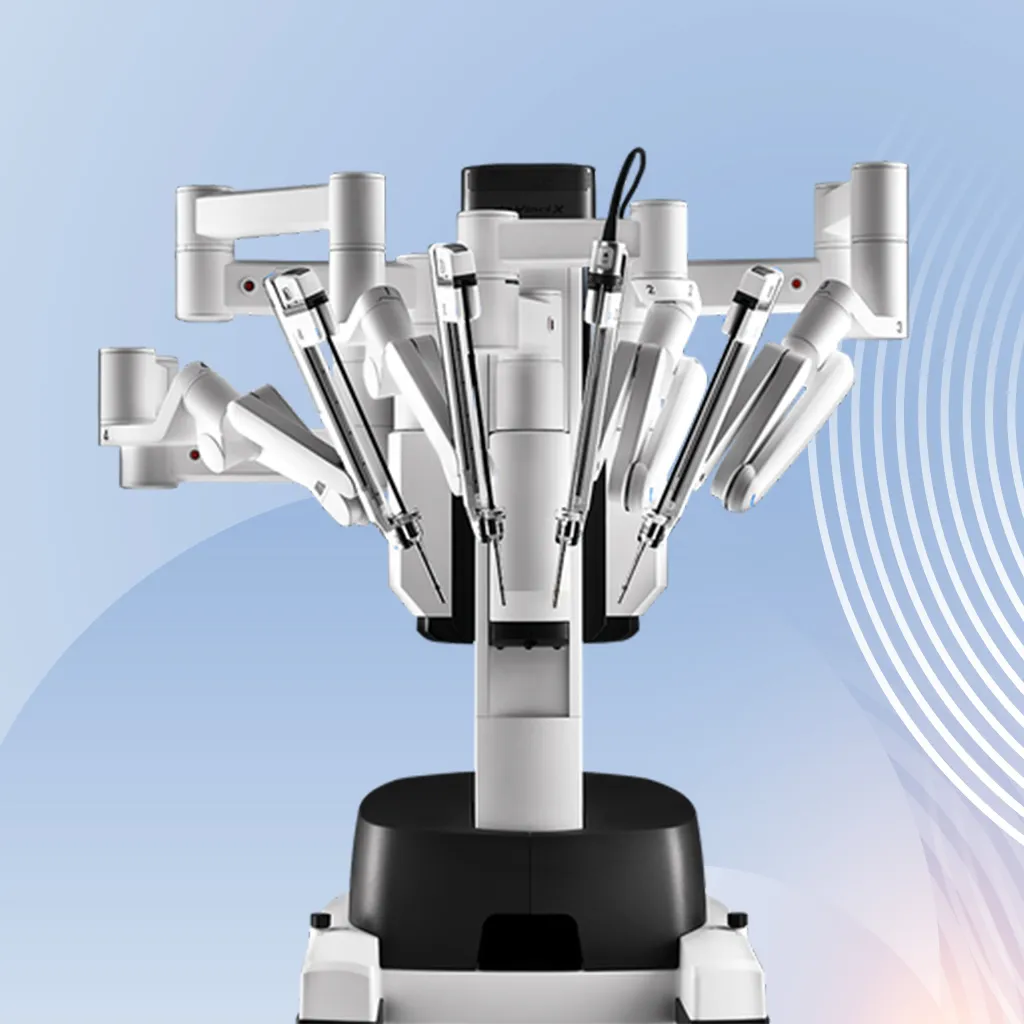
Today, aesthetic operations are not only chosen to alter appearance but also to boost self-confidence and improve quality of life. With the rapid advancements in technology, these procedures have become faster, safer, and more effective. Below, we explore some of the latest innovations in the field of aesthetics. Laser-Assisted Liposuction: Less Scarring, More Comfort Liposuction is a widely used method to remove excess fat from the body. Compared to traditional techniques, laser-assisted liposuction offers numerous advantages. This method uses laser energy to break down fat cells, allowing for easier removal from the body. One major advantage of this technique is its ability to reduce bleeding and minimize damage to surrounding tissues during the procedure. Additionally, the skin-tightening effects of the laser result in a smoother appearance post-operation. For instance, recovery time is significantly shorter compared to conventional methods, enabling patients to return to daily activities much faster. Therefore, laser-assisted liposuction is considered a revolutionary innovation in aesthetic surgery. Skin Rejuvenation with Ultrasound Technology Skin rejuvenation applications aim to reduce the signs of aging, providing a younger and more vibrant appearance. Ultrasound technology is one of the most innovative methods in this field. Utilizing high-frequency sound waves, this technique stimulates collagen production by targeting the deeper layers of the skin. In other words, ultrasound technology repairs and tightens the skin from within. Since no surgical incisions are made during this process, patient comfort is maximized. For example, this technology is commonly used on the face, neck, and décolletage areas, delivering natural-looking results. Furthermore, ultrasound-supported skin rejuvenation treatments typically have minimal side effects and can be completed in a short time. Robotic surgery has established a significant presence in aesthetic operations while being widely used across the healthcare industry. This technology allows surgeons to perform procedures with greater precision and control. For instance, in procedures like rhinoplasty or breast reconstruction, the accuracy provided by robotic surgery enables natural and symmetrical results. Advantages of Robotic Surgery in Aesthetic Applications One of the biggest advantages of this method is the reduced risk of damage to surrounding tissues. Additionally, robotic surgery significantly lowers the risk of post-operative complications. However, the use of such technologies often comes with high costs, making them less accessible in all facilities. Nevertheless, robotic technologies are expected to play an increasingly important role in the future of aesthetic surgery. Conclusion Innovative technologies used in aesthetic operations have brought significant advancements, offering safer, more effective, and faster results. Methods such as laser-assisted liposuction, ultrasound-based skin rejuvenation, and robotic surgery are designed to meet patients' expectations. Consequently, these technological advancements make aesthetic procedures more accessible and comfortable, supporting personal transformation.
Read More
Back and lower back pain are among the most common health issues that negatively affect quality of life. These pains, which can restrict daily movements, may sometimes lead to serious conditions requiring surgical intervention. Modern robotic surgery methods offer innovative and effective solutions for treating back and lower back pain. This article explores the advantages of robotic surgery, the situations where it is recommended, and daily tips for maintaining back health. Advantages of Robotic Surgery: Less Pain, Faster Recovery Robotic surgery stands out as a treatment method equipped with precision and technological innovations. Compared to traditional surgical methods, robotic surgery offers a less invasive approach. In other words, this method ensures less postoperative pain and a faster recovery period. For instance, robotic surgery performed through small incisions minimizes the risk of bleeding and infection. Additionally, this method enables surgeons to access deep tissues and delicate nerve structures more safely. Furthermore, the three-dimensional imaging technology provided by robotic surgery allows for high precision in procedures. Therefore, patients can return to their daily lives much sooner after surgery. When Is Robotic Surgery Recommended? Robotic surgery is recommended in specific situations for treating back and lower back pain. It is particularly effective in addressing issues such as herniated discs, spinal misalignment, or nerve compression. Additionally, robotic surgery is preferred for removing spinal tumors or correcting spinal deformities. In cases of chronic back and lower back pain where other treatment methods are insufficient, surgical intervention may be necessary. However, determining the appropriate treatment method requires careful evaluation of the patient’s overall health and the cause of the pain. A detailed examination by a specialist doctor plays a critical role in determining the right treatment method. Daily Tips for Maintaining Back and Lower Back Health Maintaining back and lower back health helps prevent more serious problems in the long term. Proper posture habits are fundamental steps to supporting back and lower back health. Additionally, avoiding prolonged periods of inactivity and engaging in regular exercise are essential. For example, light-paced walks and stretching exercises help strengthen muscles and increase flexibility. Nutrition also plays a significant role in back and lower back health. Foods rich in calcium and vitamin D support bone health. From another perspective, maintaining an ideal weight reduces the load on the spine. Therefore, a balanced diet and regular physical activity are indispensable for back and lower back health. Robotic surgery makes a difference in the treatment of back and lower back pain with the innovative solutions provided by technology. This method enhances patients’ quality of life with its advantages of less pain and faster recovery. Consequently, choosing the right treatment method and adopting habits that support back and lower back health are keys to achieving a healthier life in the long run.
Read More
Maintaining dental health is an important factor that affects our overall well-being. A beautiful smile and healthy teeth positively impact both physical and psychological health. In recent years, zirconium crowns have become a popular choice in dental treatments due to their durability and aesthetic advantages. Additionally, daily routines play a crucial role in preventing tooth decay and maintaining long-term oral health. Durability and Aesthetic Advantages of Zirconium Crowns Zirconium crowns stand out in dental treatments for offering a solution that is both natural-looking and durable. This material, with its light-transmitting properties, provides a result that closely resembles natural teeth. In other words, zirconium crowns meet aesthetic needs while offering long-term durability. Zirconium is also resistant to decay and has a lower potential for allergic reactions compared to metal-based crowns. For instance, dentists often recommend zirconium crowns to individuals experiencing sensitivity or discoloration in their teeth. Additionally, zirconium crowns are highly resistant to high temperatures, wear, and daily use. Therefore, they are an ideal choice for addressing both aesthetic and functional needs. Daily Tips for Preventing Tooth Decay Preventing tooth decay is one of the fundamental steps in maintaining oral health. Brushing teeth at least twice a day using the correct technique is essential for gum health. Moreover, flossing and using mouthwash are effective methods for cleaning plaque from hard-to-reach areas. Dietary habits significantly impact dental health. For example, avoiding sugary and acidic foods helps prevent damage to tooth enamel. Instead, consuming calcium-rich foods strengthens the teeth. From another perspective, regular water consumption helps cleanse harmful bacteria from the mouth. Therefore, adopting a balanced diet is vital for achieving healthy oral and dental structure. Importance of Regular Dental Check-Ups for Oral Health One of the most effective ways to maintain oral and dental health is through regular visits to the dentist. Early detection of issues during these check-ups can prevent them from becoming major problems. Additionally, professional teeth cleaning reduces plaque buildup and minimizes the risk of cavities and gum disease. For example, visiting the dentist twice a year is a critical step in sustaining oral health. Dentists not only address existing issues but also provide guidance on how to better maintain oral health. Therefore, adopting a conscious approach to oral and dental health is key to achieving long-term dental well-being. Maintaining dental health requires a combination of daily habits and professional solutions. Zirconium crowns stand out with their aesthetic and durability advantages, while regular oral care and dental check-ups ensure the continuity of a healthy dental structure. In conclusion, adopting the right habits and seeking professional support are the most effective ways to protect oral and dental health in the long run.
Read More
Bariatric surgery offers an effective option for individuals looking to embark on a healthier lifestyle. Naturally, many questions arise during the decision-making process for this surgical intervention. In this article, we address the most frequently asked questions about bariatric surgery. Who Is Eligible for Bariatric Surgery? Bariatric surgery is typically recommended for individuals with a body mass index (BMI) over 35. However, each person's health condition and needs are unique, requiring a thorough evaluation process. For instance, a candidate's overall health plays a significant role in determining their suitability for surgery. Additionally, the ability to adapt to lifestyle changes is an important criterion. In other words, this surgical intervention requires not only physical but also psychological preparation. A consultation with a specialist doctor will provide guidance during this process. How Does Life Change After Surgery? After bariatric surgery, significant improvements in the quality of life can be observed. Eating habits, in particular, play a crucial role in this process. Adhering to a balanced diet plan after surgery supports weight loss and improves overall health. Regular physical activity is also an essential part of a healthy lifestyle. For example, an exercise routine starting with light walks can gradually include more intensive activities over time. Following the guidance of a doctor and dietitian during this period ensures long-term success. What Are the Long-Term Outcomes of the Surgery? Bariatric surgery not only facilitates weight loss but also contributes to the improvement of health problems associated with obesity. For example, significant improvements can be observed in conditions such as diabetes, high blood pressure, and sleep apnea. Therefore, the surgical intervention positively impacts both physical and psychological health. From another perspective, bariatric surgery boosts self-confidence and helps individuals take a more active role in their social lives. The success of this process depends on the individual's ability to adapt to lifestyle changes after surgery. As a result, a disciplined approach and expert support are crucial for achieving goals. Conclusion Bariatric surgery can be a significant step toward a healthier life. The outcomes of this surgical intervention can enhance an individual's quality of life while reducing health problems. In conclusion, a proper evaluation process and professional support ensure that the benefits of surgery can be fully realized, both in the short and long term.
Read More
Rhinoplasty is a popular surgical procedure performed both to address aesthetic concerns and to resolve breathing issues. However, achieving a natural look is one of the most important goals of these surgeries. With the right techniques, detailed planning, and an experienced surgeon, a natural and harmonious result can be achieved after rhinoplasty. Personalized Planning Process in Rhinoplasty One of the keys to success in rhinoplasty is creating a personalized plan. Since every individual has a unique facial structure, nose shape, and skin type, a standard approach may not deliver a natural result. Therefore, a thorough pre-operative evaluation is essential. For instance, the shape of the nose is designed by considering the overall symmetry and proportions of the face. The surgeon listens to the patient’s expectations and examines the facial structure to create the most suitable plan. In other words, the success of the surgery depends not only on technical skills but also on a personalized approach. Which Techniques Provide More Natural Results? The techniques used to achieve a natural rhinoplasty outcome vary depending on the surgeon’s experience and the patient’s needs. The closed rhinoplasty technique stands out as a method that leaves no external scars. This technique causes less tissue damage, resulting in a shorter recovery period. Additionally, advanced technologies supported by 3D simulations provide the opportunity to see the results before surgery. For example, these methods allow patients to predict what their appearance will be like post-surgery. However, the surgeon’s professional evaluation is crucial in determining which technique to use. Post-Surgery Recovery and Swelling Management The post-operative recovery period plays a critical role in achieving a successful outcome. Swelling and bruising may occur in the first week after surgery. This is a natural result of the procedure and diminishes over time. During this process, sleeping with the head elevated and following the doctor’s instructions are very important. For instance, applying ice packs can help reduce swelling more quickly. Additionally, avoiding strenuous physical activities during the first weeks is necessary. Therefore, being patient and not skipping follow-up appointments are vital for long-term success. Rhinoplasty can deliver successful and natural results with the right techniques and personalized planning. Therefore, being informed and adopting a professional approach at every stage of the surgery is crucial for a positive experience. In conclusion, selecting the right surgeon and thorough planning will ensure a nose that is both aesthetically pleasing and functionally satisfying after the procedure.
Read More
Gastric sleeve surgery offers an effective solution for combating obesity. However, significant changes occur in a person's life following this operation. These changes are not only physical but also psychological and lifestyle-related. Below, you'll find the necessary information to better understand and adapt to the post-surgery process. Nutrition After Gastric Sleeve Surgery: What Can You Eat in the First Month? The first month after surgery is a critical period when you need to restructure your eating habits. Due to the reduced stomach capacity, the type and amount of food consumed become highly important. The first few weeks begin with a liquid diet. Broths, soups, and protein-rich drinks take priority. To avoid straining the stomach, carbonated beverages and sugary liquids should be avoided. For instance, protein powders recommended by your doctor provide energy and accelerate the healing process. From the second week onward, pureed foods can be introduced to the diet. Easy-to-digest foods like vegetable purees, yogurt, and mashed fruits should be preferred. Therefore, selecting the right nutrients and planning regular meals are essential for a healthy start. One of the most noticeable changes after gastric sleeve surgery is weight loss. While this increases self-confidence, it can also bring some psychological challenges. In other words, rapid physical changes may lead to adaptation difficulties in acc Psychological and Physical Changes Brought by Surgery Psychological support can help manage this process healthily. For example, post-surgery group therapies or individual counseling allow individuals to understand and cope with emotional changes. Additionally, hormonal changes can affect mood. Regular check-ups and doctor’s advice are crucial in managing these situations. Physically, energy levels tend to increase. However, fatigue and tiredness may initially occur as side effects. These effects are usually temporary and diminish as the body adapts to the new condition. Exercise and Lifestyle Tips for Healthy Weight Loss Exercise is a key component that supports healthy weight loss during the post-surgery period. Light walks can be started in the first weeks. This not only improves blood circulation but also contributes to the healing process. Over time, light weight training and swimming can be added to the program as recommended by your doctor. For instance, moderate-intensity exercises performed three times a week accelerate weight loss while helping preserve muscle mass. Additionally, adequate sleep and stress management habits also support healthy weight loss. From another perspective, lifestyle changes after surgery must be permanent. Returning to old habits can negatively impact the weight loss process. Therefore, adopting regular exercise, balanced nutrition, and a positive lifestyle is the key to maintaining a healthy life in the long term. Conclusion Life after gastric sleeve surgery brings physical, psychological, and lifestyle changes. Therefore, being conscious and taking the necessary steps at every stage of the post-surgery process is critical for long-term success. In conclusion, with proper nutrition, regular exercise, and professional support, it is possible to manage this process in the best way.
Read More
Hair loss is a common problem that causes loss of self-confidence in both men and women. Fortunately, modern hair transplant techniques provide permanent solutions to this issue. FUE and DHI methods are among the most preferred techniques in the field of hair transplantation. Below, we will detail the advantages, processes, and post-transplant recovery period of these methods. Hair Transplantation with FUE Method: Advantages and Process The FUE (Follicular Unit Extraction) method is one of the most commonly used techniques in hair transplantation procedures. In this method, hair follicles are individually extracted from the donor area and transplanted to the targeted area. Since no stitches or large incisions are required in this process, the FUE method is considered a minimally invasive procedure. When looking at its advantages, the recovery time for this method is relatively short. Moreover, the risk of scarring in the donor area is extremely low. For example, individuals who undergo hair transplantation with the FUE method can return to their daily activities within a few days. Therefore, it is an ideal option for those seeking natural-looking results and a short recovery time. DHI Technique: Why is Direct Hair Implantation Popular? The DHI (Direct Hair Implantation) technique has gained popularity in the field of hair transplantation in recent years. In this method, hair follicles are directly implanted into the targeted area using a special tool called a Choi Implanter Pen. In other words, the hair follicles are transplanted immediately after being extracted from the donor area, minimizing their exposure to external conditions. One of the biggest advantages of this technique is the ability to control the direction and density of the hair during transplantation. For instance, the DHI method ensures a natural appearance that aligns with the existing hair. However, this technique often takes longer and can be slightly more expensive than the FUE method. Despite this, it provides effective results in cases requiring precision and for smaller areas. The recovery period after hair transplantation is a critical factor that directly affects the success of the operation. It is essential to protect the scalp from impacts and keep the treated area clean in the first few days. Additional Post-Transplant Recovery: What to Pay Attention To? ly, adhering to the instructions provided by the doctor is crucial. For instance, heavy physical activities should be avoided during the first week after hair transplantation. Furthermore, attention should be given to the use of hats or similar accessories to avoid damaging the transplanted hair follicles. Special shampoos and care products recommended for post-procedure recovery can also be beneficial. From another perspective, patience is important after hair transplantation. It usually takes several months for new hair to grow fully. However, with regular follow-ups and proper care, the results can be highly satisfying. Conclusion Hair transplantation is an effective method that provides permanent solutions to hair loss. Modern techniques like FUE and DHI are ideal options for those looking for natural and aesthetic results. Consequently, selecting the right method and paying attention to the recovery process are key factors for a successful hair transplantation experience.
Read More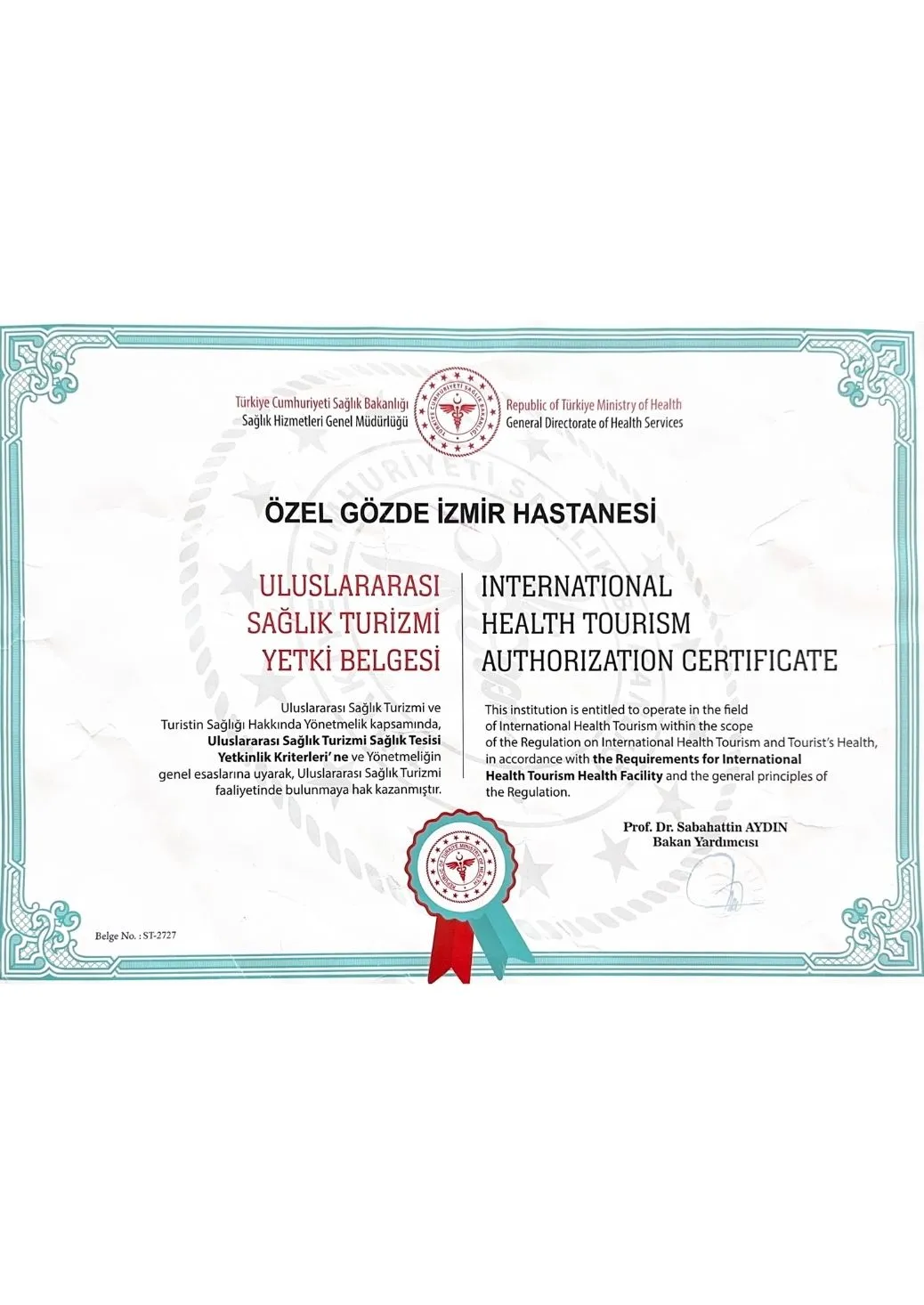
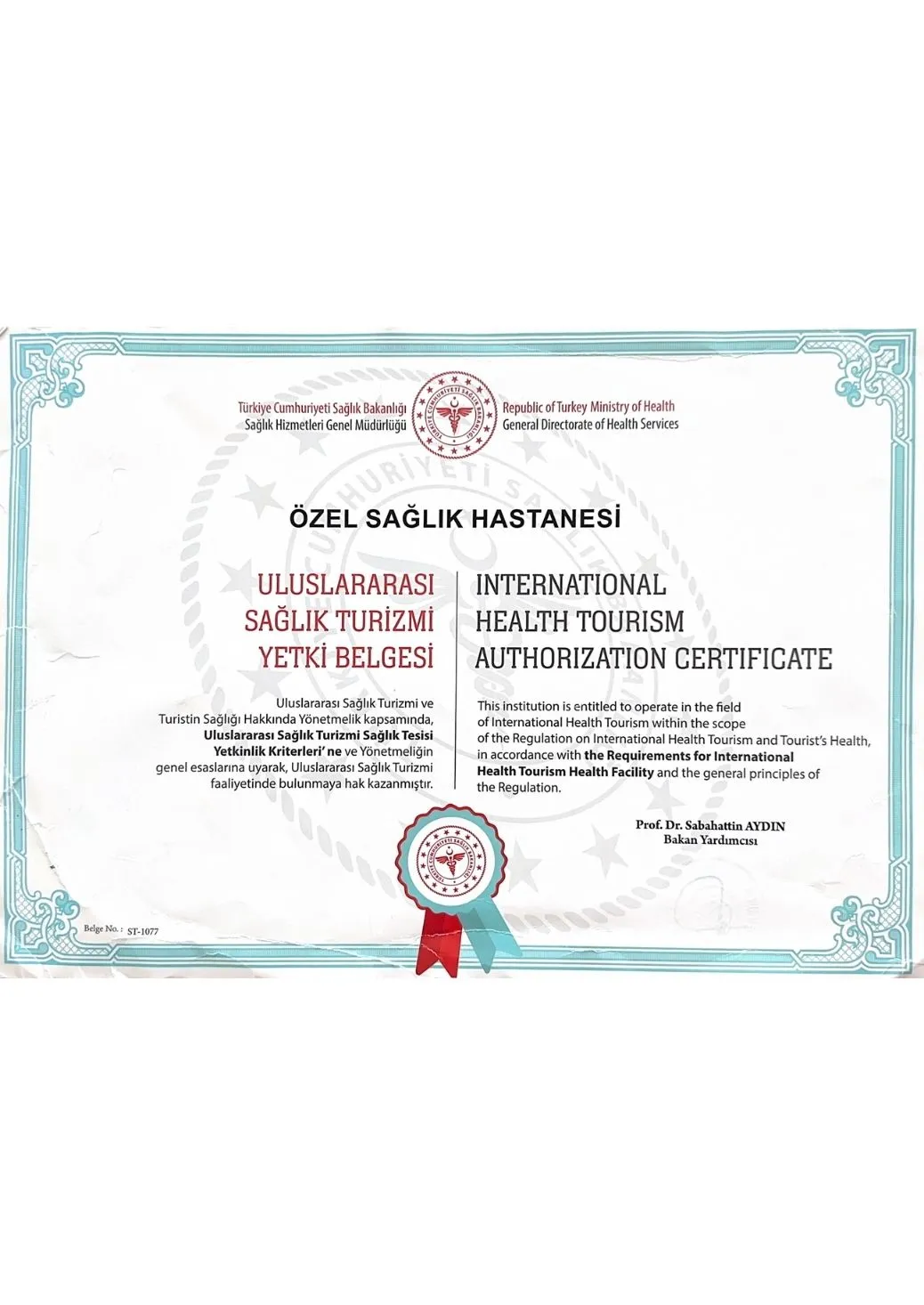
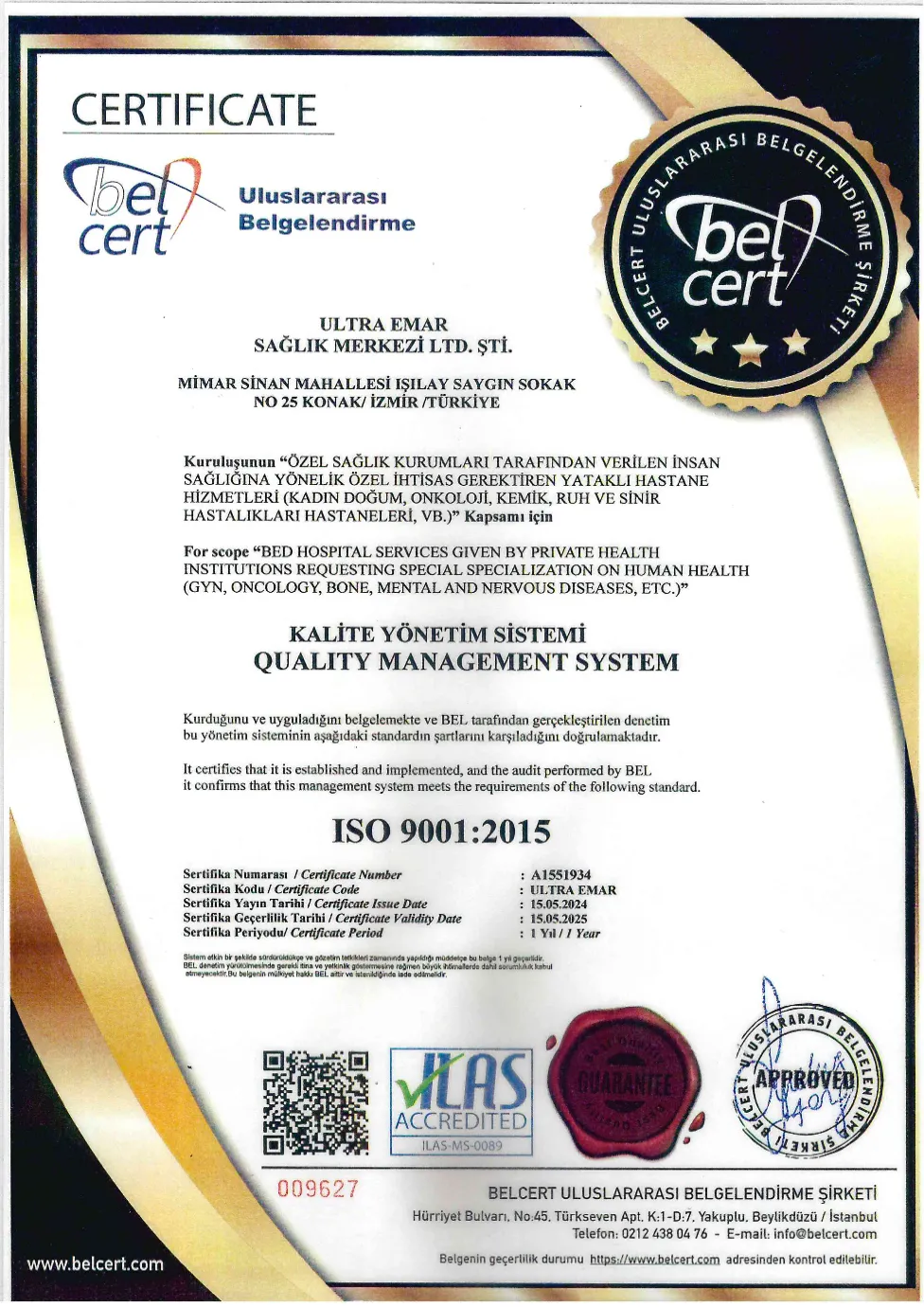
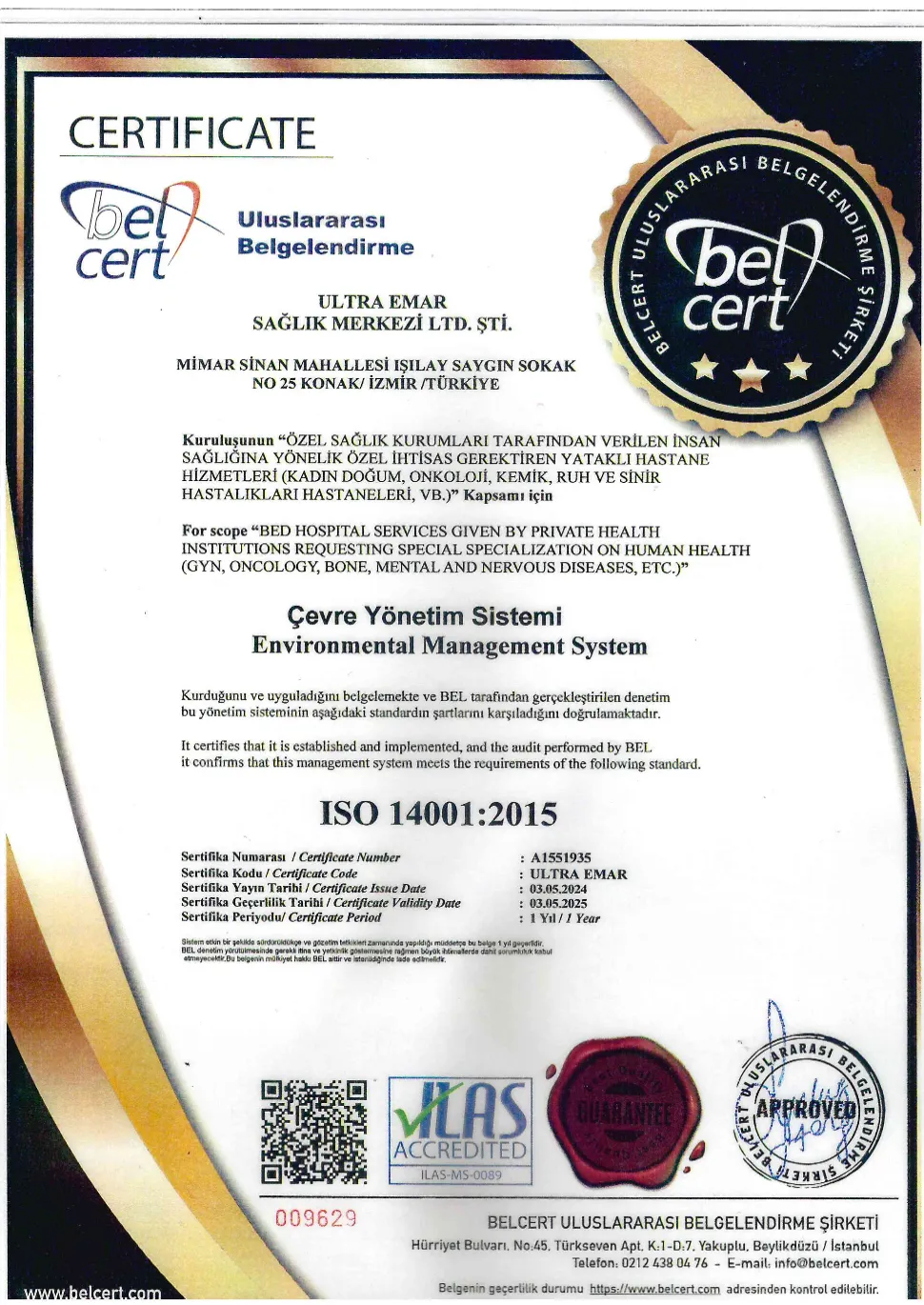
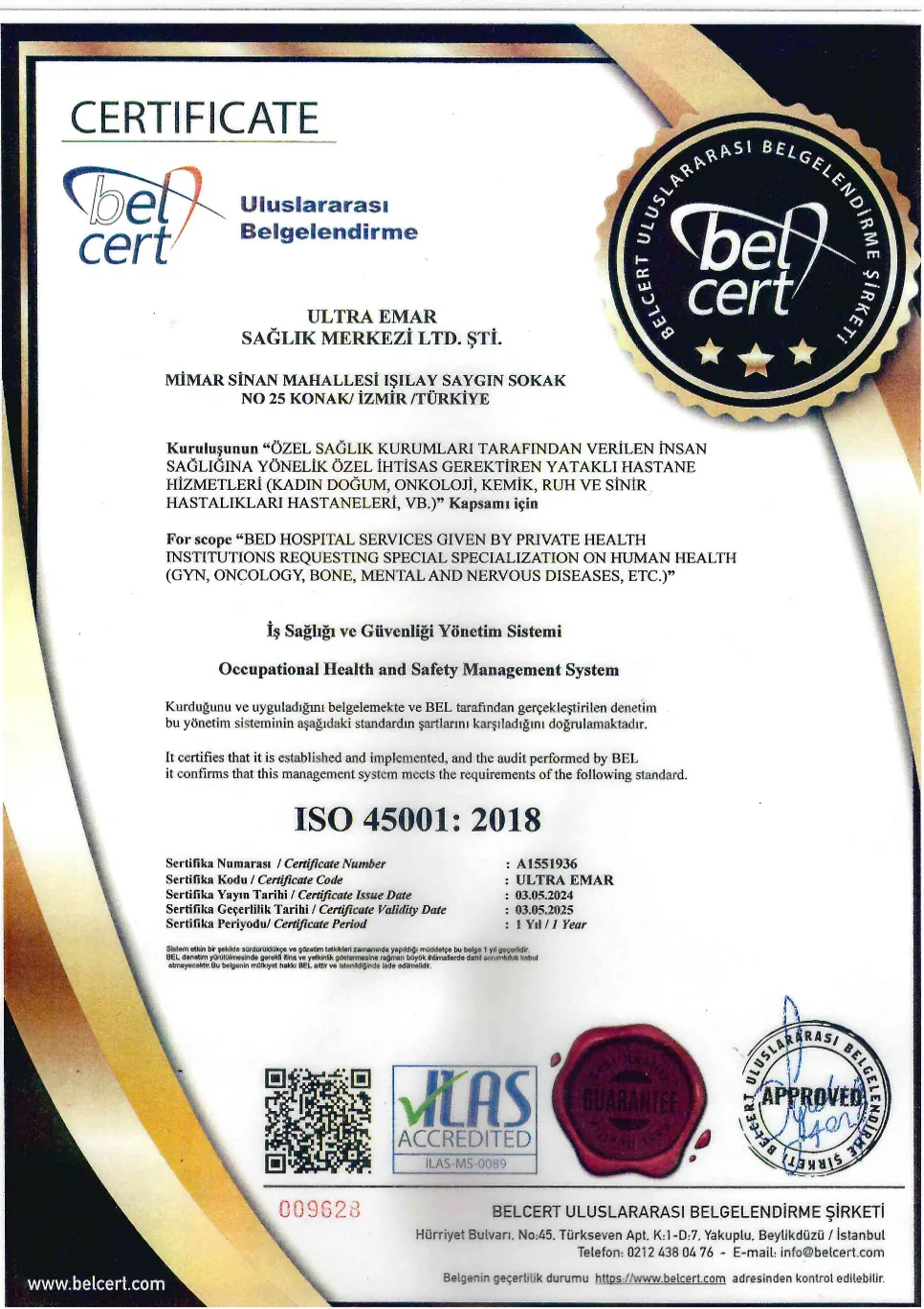
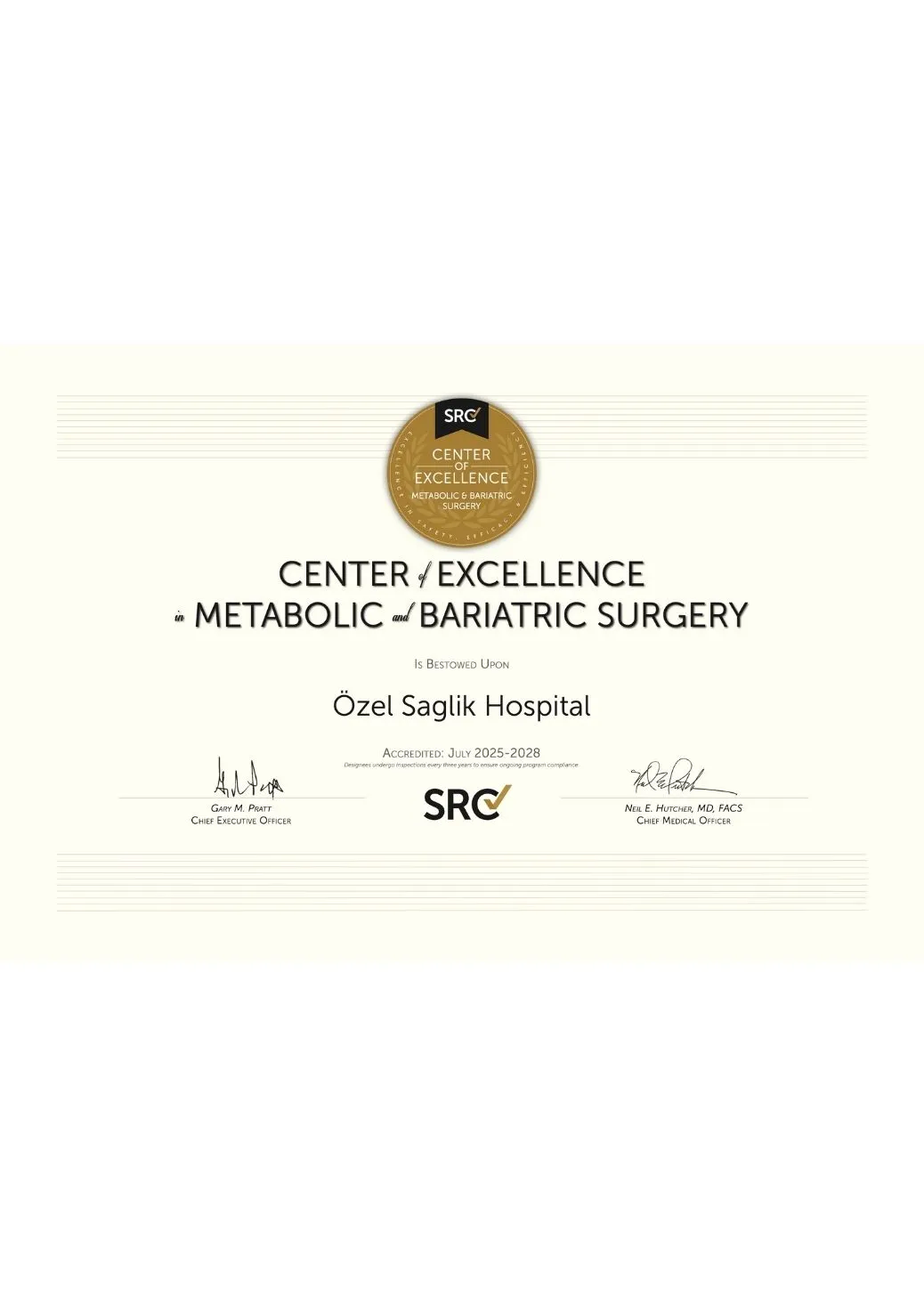
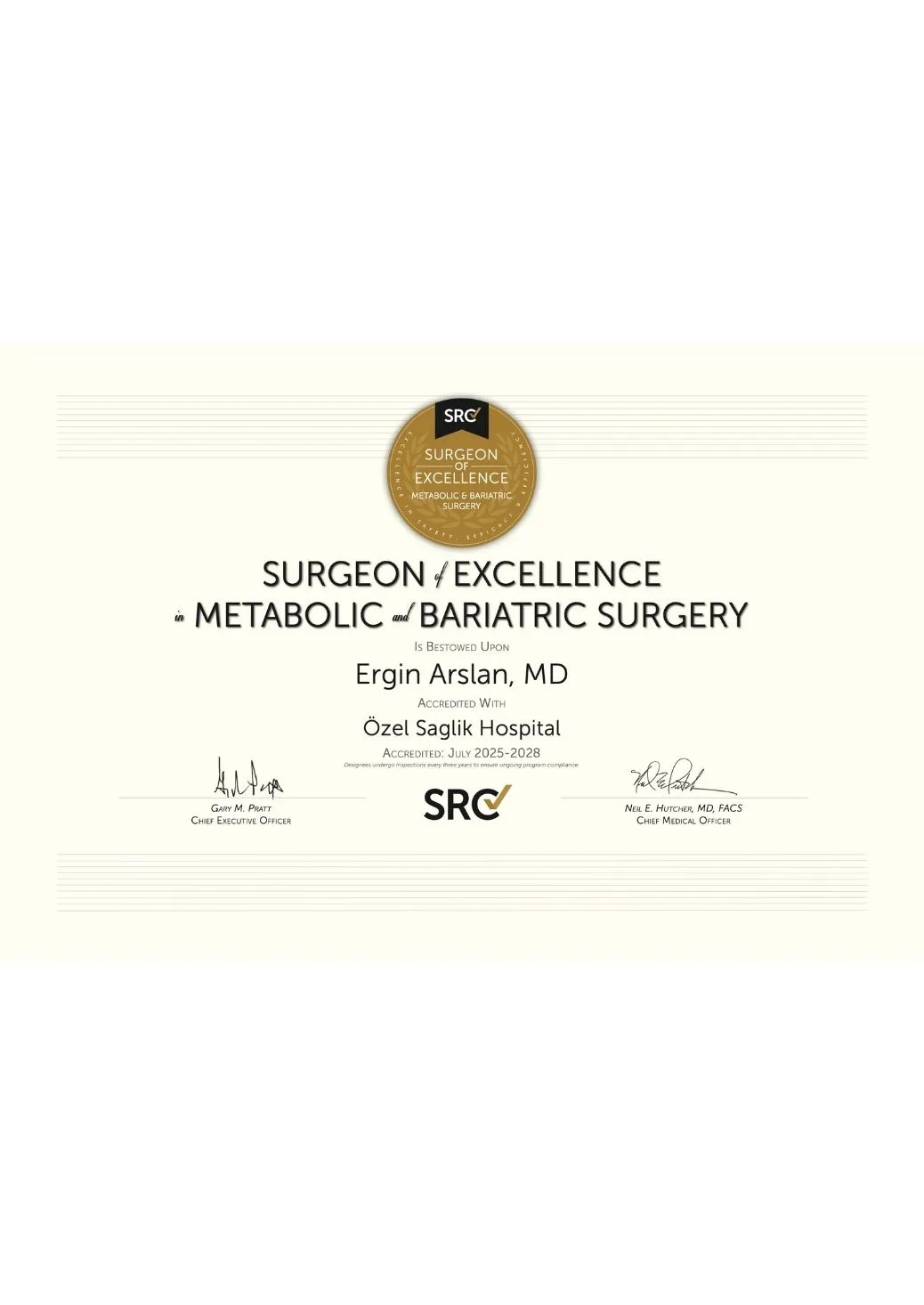
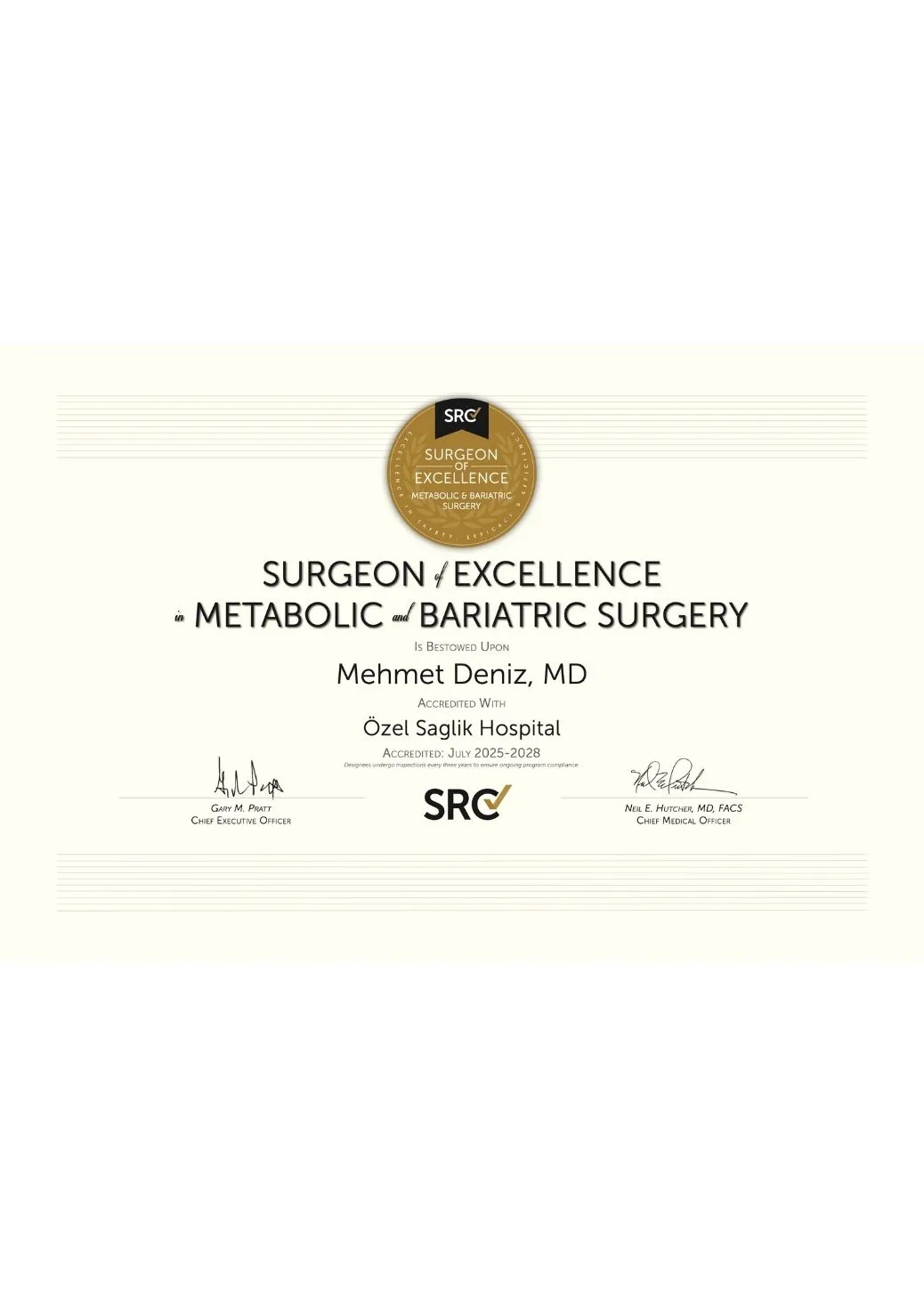
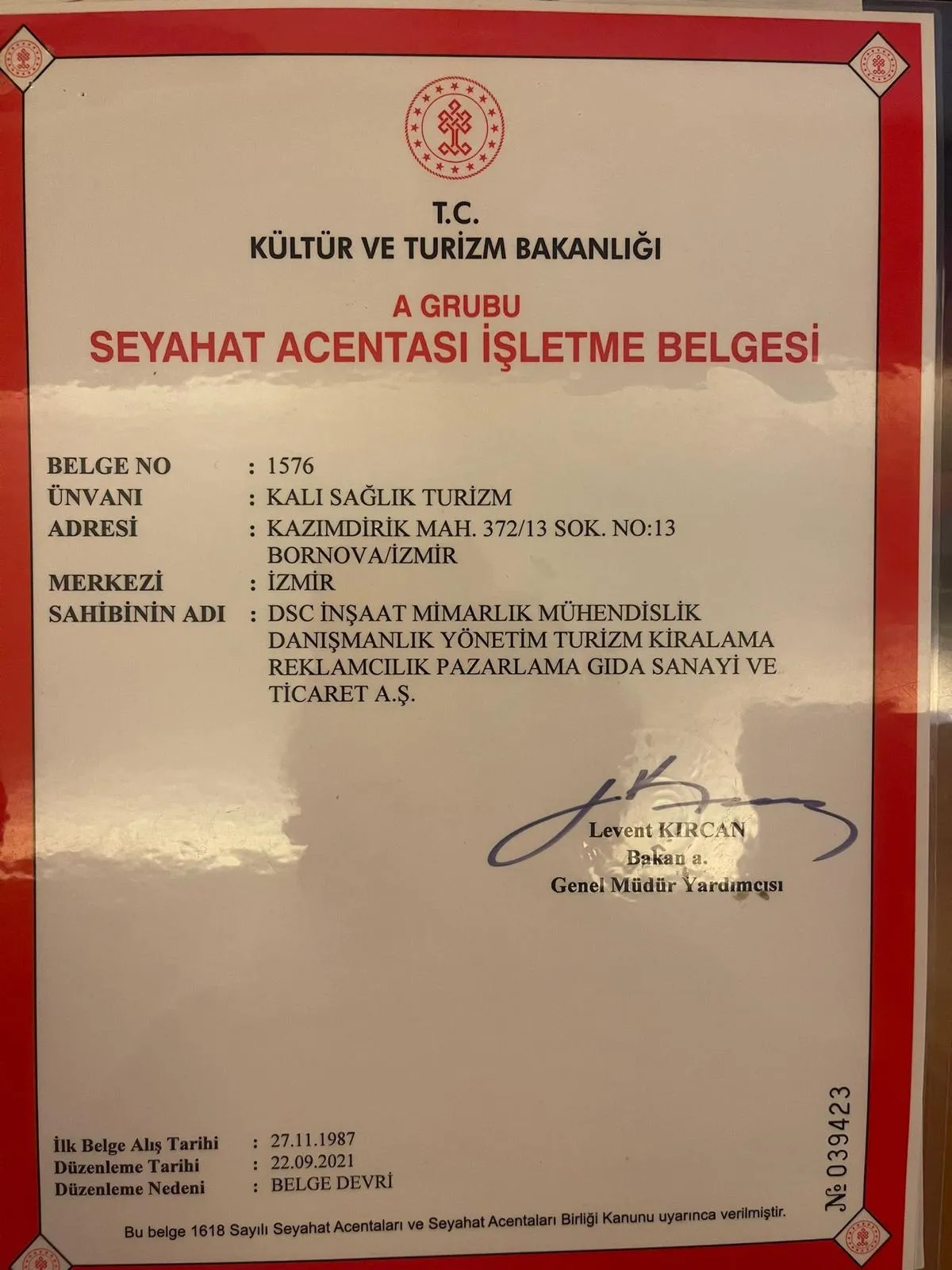
Gözde International Hospitals is an officially authorized healthcare facility certified by the Ministry of Health with an International Health Tourism Authorization Certificate.
We maintain a disciplined and professional approach with high standards at our clinic.
Rebecca

November 29 2024
Gastric Sleeve surgery Gözde international hospital Izmir.
I am 12 days post op from having had gastric sleeve surgery in Turkey. My experience was positive overall and I received great care while in Izmir. My coordinator Devrim has been amazing from the beginning of the process and I’ve been able to message him at anytime for information and reassurance. I am genuinely grateful to my surgeon and all the staff at Gözde and I am looking to the future as a healthier and happier skinnier version of myself!
LIANNEH
December 02 2024
Went to Baypark
Went to Baypark, Istanbul 3 weeks ago and I can’t fault it. All the staff and the surgeon were spot on. The care I received was amazing and the surgeon came and checked on me every day. From start to finish any questions I had were answered by Ata or Selin. Would definitely recommend
Sophie
November 18 2024
My experience
I had my nose a year ago in Izmir by the lovely and very talented Dr. Damla Nihan Özdemir, the hospital was state of the art, it was run smoothly and I felt in safe hands. You also get a chaperone who helps explain things and sorts out transportation etc, mine was Batuhan Yetki who was lovely.
I would highly recommend this hospital and surgeon to others.
Sarah Marshall
June 08 2024
Went to Gözde Hospital in June of this year...
Went to Gözde Hospital in June of this year and experienced a gastric sleeve, I felt that Dr. Mehmet Denis and his team were amazing, everything was explained and all of my care and support needs were met as well as accommodating my husband, no concerns. I have lost 5 stone in 6 months, so I am very pleased, no regrets at all.
Kirsty Halstead
February 10 2025
I had a very good experience using…
I had a very good experience using Gözde. I chose Özel Sağlık, which was a lovely hospital, spotless, and the staff there are amazing. My doctor was Dr. Ergin Arslan, whom I can't recommend enough. Peril was my coordinator and was always, and still is, on hand to help each time I message. I would definitely recommend.
Ray
July 17 2025
Dr Ahmet Aşçıoğlu
Dr Ahmet Aşçıoğlu done my tummy tuck and breast uplift what an amazing surgeon my scars are nearly invisible already it's week 4 I would advise anyone to go with this surgeon and gözde hospital is like a 5 star hotel I was amazed it don't look like a hospital and very clean 5 stars from me his assistant Erva is lovely very caring always there when you need her she don't stop bless her she's always on the go she made me feel so comfortable xxx
Patient
August 20 2026
It's been two weeks since Dr Deniz...
It's been two weeks since Dr Deniz operated on me and gave me a gastric sleeve. I have lost 5kg (11lb). I feel perfectly fine, everything is healing well.
the hospital was great. Loads of space, super friendly nurses and staff. Burcin was my medical coordinator and she was absolutely brilliant, she organised everything for me and provided me a lot of reassurance.
Victor was waiting at the hospital for me when I arrived, and he helped me navigate for all my tests and translated everything for me, he was brilliant. Absolutely wonderful gent.
If I had to go back and consider doing this again, I would 100000% do it. I was terrified, but actually I was in really good hands.
Thank you Dr Deniz, Victor, Burcin, all the nurses on floor 4, the dietician and everyone. It will really change my life for the better.
Nikita Badesha
August 20 2026
Amazing experience from start to finish
I recently had my rhinoplasty in Izmir and I can honestly say the entire experience exceeded my expectations.
From the beginning, my coordinator Alp was fantastic — very patient, quick to respond, and always available to answer any questions. Communication was clear and consistent throughout, which really helped put me at ease.
When we landed, everything was well organised. We were contacted about our transfer straight away and only waited around 5–10 minutes before getting on a minibus. The process was smooth, with some people dropped at the hotel and others at the hospital.
I stayed for 5 days, and the hotel was perfect for recovery — clean, spacious, and in a great location with plenty of food options and supermarkets nearby. Room service was also reasonably priced, which was really convenient.
The hospital itself was amazing — very modern and felt more like a hotel than a typical UK hospital. My surgeon was professional and reassuring, with open communication during my consultation, and checked on me the following day.
The nurses were extremely attentive, checking on me regularly (even during the night), and although there was a slight language barrier at times, the level of care was excellent.
One of my biggest concerns beforehand was feeling unsupported after surgery, but that wasn’t the case at all. Communication via WhatsApp remained consistent, and I was always kept informed about timings and next steps.
All medication was provided before discharge (included in the price), along with clear aftercare instructions and a fit-to-fly note.
Since returning home, my recovery has gone really smoothly with no issues. Whenever I’ve had questions, Alp has continued to respond quickly, which has been very reassuring.
I was initially hesitant because the price seemed almost too good to be true, but I can honestly say the quality of care and service is outstanding.
I would highly recommend Gozde to anyone considering rhinoplasty — choosing my surgeon was the best decision I’ve ever made
Kristina Jaufmann
August 20 2026
Simply great, there's nothing to criticize…
Simply amazing, there's nothing to criticize, I'm just so happy! Beautiful clinic, beautiful hotel, lovely people, great team – I can only recommend it!
Chloe Galvin
August 20 2026
Burcin was really friendly and...
Burcin was really friendly and professional, she answered all of my questions in detail and made the booking process nice and easy. I would recommend booking through this company and especially recommend Burcin.
Stacey Allsop
August 20 2026
Gastric Sleeve at Baypark Hospital
I travelled to Turkey for my gastric sleeve surgery and I honestly couldn’t be happier with my experience. From the very first contact, everything was organised, clear, and reassuring. The coordinator Alp kept in touch throughout and answered all my questions, which really helped put me at ease before travelling.
The hospital was clean and professional, and the medical team were outstanding. The surgeon was knowledgeable, thorough, and took the time to explain the procedure and aftercare clearly. I felt safe and well cared for at all times. The nurses were kind, attentive, and supportive, especially during recovery.
The pre-operative tests and assessments were very thorough, which gave me complete confidence that my safety and health were the top priority.
The aftercare advice and follow-up support have also been excellent.
I’m so glad I chose to have my gastric sleeve done in Turkey and would highly recommend this experience to anyone considering weight loss surgery. Thank you to the whole team for changing my life.
Faye Martin
August 20 2026
Can't recommend this Hospital enough.
Can't recommend this Hospital enough. They've really helped me over the years. My coordinator Alp has been in contact with me since my journey began 3 years ago until this day we still speak. He started helping me with my sleeve 3 years ago right upto my thigh lift, arm lift and breast Augmentation in January this year. Alp has been there with me supporting my whole journey. He's provided me with information when ever I've asked and has always reassured me when I haven't felt so great. He really is so helpful and now feels like a true friend to me. My surgeons Dr Mehmet Deniz (for Sleeve) and Dr Ahmet Aşçıoğlu (for cosmetics) were fantastic and I'd highly recommend them if anyone is thinking about any of these surgeries. My surgeons are also so helpful and I"m able to contact them even now if I have any questions and they always respond. This hospital has changed my life and I will always be extremely grateful for their help and for the way they looked after me. I also have to say that Viktor and Ceren Karahan the coordinators at the hospital are so friendly and helpful and are good fun.
Highly recommend contacting Alp for help if you're thinking of any surgery. He's brilliant
Samantha nehumba
August 20 2026
Gozde Baypark Instabul
I had Burcin as my coordinator. I honestly cannot fault her she was heaven sent. She kept on checking on my progress and responded to my quiries in times. Many thanks to my surgeon Dr Zafer Cenk Koyuncu and BayPark medical team . Am forever grateful.
Dennis Schmellenkamp
August 20 2026
THANK YOU TO THE ENTIRE GÖZDE TEAM AND EVERYONE ASSISTED WITH US!!!
I would like to sincerely thank you for your personal and professional work/advice and also for your genuine human support. Duygu, thank you again from the bottom of my heart; it couldn't have gone better. Absolutely top-notch from beginning to end of the trip. Nothing more is needed, and in my opinion, it couldn't have been better. DUYGU, I'M HAPPY TO SAY IT AGAIN: THANK YOU SO MUCH. Hussein, the interpreter from the hospital, also handled everything perfectly down to the last detail and was always available and very friendly and helpful in dealing with everything involved. The same goes for Dr. Serkan Gökpinar; you were absolutely top-notch. I thank you from the bottom of my heart as well.THANK YOU FOR EVERYTHING.
Tony Paduraru
August 20 2026
I had gastric sleeve at their Izmir premium hospital Ozel Saglik
I had gastric sleeve at their Izmir premium hospital Ozel Saglik. I had done quite a few researches about the procedure in Turkey. In March, I found out that the Izmir hospital has a tour in UK. My first options where different hospitals, cheaper, still good options, but I said it wouldn't do any harm to meet a bariatric surgeon in person. The lovely coordinator, Afaf, made an appointment and I met Mr. Arslan, in London. Well, he made me feel like we are old friends, I explained him my other problems and he made me trust himself. It was game over. I've forgot about the other hospitals and he made me go to Izmir. And I don't regret it. The procedure went well, Mr. Arslan even sorted out my umbilical hernia. He is a fantastic surgeon and we still keep in touch. He speaks English, a very important thing. The hospital is well organised, everyone knows what has to do. Afaf, my coordinator, what can I say, she even arranged another consultation for me while there, helped me even after coming back. Fitnat, the transfer coordinator, good as gold. Cahide, what a lovely girl! Viktor, our hospital host, what a lovely guy! Many thanks to the nurses, especially Ella, for the night when my blood pressure went very high. And not for the last, many thanks to the anesthetist. What a lovely lady! I didn't have a chance to thank you her and I regret it. We all pay more attention to the surgeon and we forget how important the anesthetist is, keeping us well and alive during surgery and she made me feel I am in very good hands. Maybe somebody can thank her on my behalf. So, in conclusion, I don't know about other hospitals in Turkey, but this one is a very well organised and NHS would have what to learn from them, regarding efficiency. Their hotel, again, very nice apartments and rooms, lovely staff, fantastic breakfast buffet. Some small suggestions. It will be nice if the drivers wouldn't smoke in the transfer buses. On the arrival, it was a very strong smell of smoking in the transfer van, I nearly feel sick. The night shift nurses should be advised to keep the noise a bit down. They are lovely, but some of them make during the night the same noise level as daytime. The hospital should pay some English courses for them. It will be very helpful,for them and patients, to avoid Google translate. The hospital is lovely, very clean, big, nice rooms, but it will need some small repairs, especially the floor near lifts. The coordinators should be allowed to spend more time with the patients, if needed, after booking and pay the deposit, because some small problems still can appear. Not only my opinion, other patients had the same problem. But, in all, a fantastic experience, I don't regret going there and I think the difference in price is justified.
Jenny
August 20 2026
I'm now 10 weeks post-rhinoplasty...
I'm now 10 weeks post-rhinoplasty and what can I say? Dr. Gökpinar truly has magic hands. I already love the result and it's only going to get better. A thousand thanks to everyone, especially Duygu for the excellent communication and to Hussein, my German manager at the hospital. The hospital and the hotel are both absolutely fantastic – the rooms are super clean and stylish, the food is delicious, and the staff are incredibly friendly. I will definitely have my next surgery done at the Gözde Clinic again.
Maiju Milli
August 20 2026
I recommend this hospital if you are planning to have rhinoplasty!
I had an excellent experience at this hospital and with Dr. Serkan Gökpınar, his assistants, and the medical staff. From start to finish, they took great care of me and monitored everything closely. The surgery went perfectly, everything was well-organized, and I am very satisfied with the result my nose turned out beautiful
Dr. Serkan is a highly skilled and knowledgeable specialist, truly an expert in his field. I can confidently recommend this hospital and this surgeon.
A special thank you to Tenno for helping organize everything, since I was flying in from another country. He stayed in touch the entire time, was always available to answer any questions, and made the whole process much easier.I recommend them, and you can trust them with complete confidence, I spent a long time looking for a good hospital and a surgeon I could truly be satisfied with, and I do not regret my choice. Thank you!
Patient
August 20 2026
Breast lift & implants baypark dr ufuk durgun
I got breast implants and uplift by dr ufuk durgun at baypark hospital on 17th nov. All arrangements started with my lovely coordinator Afaf who was perfect she answered any questions (before and after payments were made) very prompt and was happy to let me take my time making decisions. The travelling was all taken care
Of and it was very efficient. Dr ufuk was wonderful and i love my new breasts! I am healing lovely no issues at all. Every staff member i encountered at baypark were very kind and helpful! There was one lovely lady who didnt speak english wheeling me into the theatre and she must have seen/ sensed my nervousness and rubbed my hand and shoulder to reassure me this kindness was exactly what i needed at the right time!! I felt aftercare was great. Sena from dr ufuks team as well as selin from the godze company were also amazing and i thank each of them for making the experience so great!! If i had one single complaint it would be that the food wasnt to my taste but i am very very fussy so this could be a me problem!!
Stephanie Saunders
August 20 2026
Fantastic from start to finish!
Fantastic from start to finish. They done all the work and were excellent with their communication. I can’t thank them enough for what they have done for me!
Patient
August 20 2026
Afaf is amazing! 2nd time useing this company
This will ne my 2nd time contacting afaf!! Honestly she is the most amazing human, nothing is too much trouble and helps me with all my silly questions. I had my gastric sleeve done hear 15 months ago with the amazing dr arslan, and have zero complications i have just booked to go back to start my plastic surgery journey in January 2026. If anyone is thinking of useing this company you should 100% do it.
Kirsty Browne
August 20 2026
My gastric sleeve experience with Godze
After 2 and a half years of researching and deciding, I finally had my gastric sleeve surgery at Ozel Sağlık hospital on 22nd March 2025.
The process from the beginning was very simple. In my first enquiry I was assigned Tenno as my coordinator. He was attentive and answered every question I had fully. He was patient and didn’t push me to book. From my first communication with him to me actually putting my deposit down 6+ months passed because I wanted to make sure I was making the correct decisions for me.
After booking he again kept me fully informed and answered all of my questions. I first flew to Turkey in January 2025 I was amazed by the depth and amount of pre op tests that were performed on me. The level of care from the nursing team was exemplary!
Unfortunately in January after the endoscopy, a big ulcer and hernia was found in my stomach meaning the surgery would not be performed as it was not safe to do so. I was understandably upset, however Dr Arslan took the time to explain exactly why he couldn’t operate and what my next steps would be. Caomide, was my coordinator at the hospital and she comforted me and assisted me in getting back to the hotel. Nilsu (travel coordinator) and Tenno were again so helpful in getting me home, so I could start the medicine to get the ulcer healed.
When I returned home there was no pressure from Tenno to rebook, he let me do this in my own time. However after seeing the care at Godze, I was eager to get back and booked for 22nd March.
When I returned the excellent care continued, Caomide and Dr Arslan remembered me which was so nice. The nurses were so attentive with medicines. No problems with language barriers (I’m English and don’t know any Turkish apart from merhaba!) I had my fastric sleeve and hernia repair and honestly cannot believe how well I feel afterwards.
I travelled alone with no companion, and would do this again.
I am so happy with my experience and would recommend Godze based on this!
Thank you to Tenno, Nilsu, Caomide, Yaran, Nourman,the whole team at Ozel Sağlık and of course Dr Arslan. Cannot wait for my new life with my new baby stomach!
Trudy Seymour
August 20 2026
Excellent service from start to finish!
Yigit Altinay my contact was so helpful every step of the way. I paid £80 for my £380 flights as agreed. Everything was smooth. No extra costs. I was a little anxious asI travelled alone but I knew that I could contact anyone and would have been supported. My surgery went well and everything was explained to me in depth by my Interpreter, she was so warm and friendly. I was under Dr Ergin and he was excellent. Went over and above to help me with some complicated adhesions from other surgery’s. My medication package given to me was huge and spare dressings. Thank you everyone for your support.
Mellisa Mcfarlane
August 20 2026
I recently had my gastric sleeve…
I recently had my gastric sleeve surgery in Izmir at gozde international hospital and the care I received was absolutely exceptional from start to finish.
My surgeon, Dr. Mehmet Deniz, was fantastic — professional, skilled, and reassuring throughout the entire process. My coordinator, Devrim, was incredible at helping me plan my journey and clearly explained what to expect at every stage of the surgery and was on call 24/7 answering any questions or help I needed. Victoria, my interpreter, was also amazing — kind, patient, and made sure I understood everything perfectly.
The whole team at Gözde Hospital was lovely and looked after me with such care and attention. I felt completely supported and safe during my stay.
I would highly recommend Gözde Hospital and their amazing staff to anyone considering this surgery. Thank you to the entire team for making my experience so positive!
Dorothy Banda
August 20 2026
Highly recommended
I first contacted Devrim through WhatsApp. He walked me through everything. Quick in responding to messages no matter what time it was. Very helpful and easy to follow instructions when it came to payments and booking my plane ticket. When I arrived at Izmir airport, I was met by my transfer who took me straight to the Hospital. All necessary checks were done and I had my procedure the following day. My surgeon was very attentive to detail and answered all my questions with ease. Devrim kept in touch checking how I was. My procedure went well and I am home recovering very well. While at home, Devrim kept checking on how my recovery was. I would recommend Gozde International Hospitals. A hospital well equipped I felt safe and at home. Everyone was very friendly and I was looked after well.
Fatima Lopez
August 20 2026
BEST EXPERIENCE AT GODZE INTERNATIONAL HOSPITALS
I had a Rhinoplasty at Ozel Saglik Hospital this September. Everything from start to finish was clear and professional. To start, my operational coordinator Tenno set up a E-consultation where I had the opportunity to ask any questions I had in mind and everything was answered clearly. He organised my accommodation, flight and hospital stay and even checked in on me after the surgery to make sure I was doing well. The Doctor who performed my surgery was Dr Serkan Gokpinar. He is a really talented and great Dr to say the least. The swelling has not resided yet and I am already to happy with my results. His first priority is health and safety which is so reassuring. Not to mention the nurses, they were great, always checking on me and made me feel very comfortable that I wouldn’t have mind to spend the rest of my trip in my hospital room. Everything was clean, the food and especially the soup was delicious. All in all I had the best experience an international patient could ask for. The Interpreter, transport, Accommodation, Food, Medication.. I can’t communicate how satisfied and pleasant my trip to Izmir was. More than anyone could ask for. As far as recovery, I came out of the surgery and up until today 8 days post OP, I had zero bruising, very minimal swelling (mostly around the nose) and zero pain. I couldn’t have asked for a smoother recovery. Everything was better than I could have asked for. Thank you so much Tenno, Dr Serkan, the nurses, and everyone that made my journey feel so comfortable and I definitely recommend for anyone debating or unsure to go ahead with it!
Charlotte Taylor
August 20 2026
Highly Recommended
I can’t thank everyone at Gozde hospitals enough. Everything from booking my surgery until now (5 weeks post op) I have had brilliant care. I wish I could thank everyone individually. My care coordinator Devrim has answered any questions I’ve had with such a quick and accurate response. My transfer coordinator Fitnat for helping me with my travel. And lastly my amazing surgeon Dr Ahmet Aşçioğlu who has made me the happiest with my amazing results and his consult Berfin who was amazing while I was in the hospital. Thank you to all of the friendly nurses that looked after me during my stay you made my experience pain free and comfortable since the moment I arrived at the hospital. Even the man who did the transfer was so friendly and helpful. I would highly recommend this hospital to anyone and would 100% go back if I wanted any further treatment. Thank you all again!!!
Lynn
August 20 2026
I had gastric sleeve surgery here in…
I had gastric sleeve surgery here in March 2024.
My co-ordinator Atakan was fantastic and i have already recommended Atakan to others, he was great with contacting me with all the details of the packages that the hospital offered, any questions I had he was helpful to answer and put my mind at rest, even after surgery when I returned to England he has been happy to still answer questions for me.
While at the hospital I felt my treatment was better than some I have been to in the UK, pre-op tests were very thorough, I felt safe with the surgical team, my surgeon Dr Yeldan was fantastic so happy i had him to do my operation. Most nurses spoke good English and were more than happy to help me and my companion, my private room had everything I needed, I was sent home with medication and protein shakes.
Fatma G.
August 20 2026
Emre has been so helpful during the...
Emre has been so helpful during the whole process, I had 100 questions and he’s been very informative and reassuring. Main thing for me is consistency and that has really been delivered. So far a great experience. Thank you
Jordyn Boyes
August 20 2026
Thank You Mert
Was recommended mert from gozde hospital by a friend who had previously had surgery here. He was my co ordinator and sorted everything out for me from start to finish.
When i went for my surgery he even came out of hes way to pay me a visit to see how i was doing which he didnt have to do :) still keep in contact and always gets back to me very quick with answers post op.
Thank you mert x
Lianne
August 20 2026
Perfect hospital perfect care
Perfect hospital perfect care. My coordinator was Atakan. Can't thanks enough
Sandii Raithby
August 20 2026
Genuinely Life Changing!
I had Gastric Sleeve Surgery at Gozde Izmir in January 2025 and my experience was brilliant.
My co-ordinator, Mert, was so attentive and helped me handle every part of my booking.
The team at the hospital were nothing short of phenomenal. They never let me down - everything they promised was delivered. I felt really well informed and cared for throughout my stay. The pre-op team, the surgeons Dr Arslan and Dr Kemiskis and the nursing staff were all excellent. Their english was good enough to communicate anything I needed.
The hospital was clean and spacious with decent facilities for my companion and there is a real camaraderie on the ward with your fellow patients.
I had a real wobble because I realised AFTER my op that I had booked by flight a day early so had one day less recovery time and I was panicking I wouldn't get discharged in time, but the team were amazing at calming my nerves.
I have had no issues at all post-op, my incisions have healed beautifully and I have lost 7 stone in 7 months. I can't ask for more really!
Laura
August 20 2026
It was great experience
It was great experience. Everything was good and care was intense. I'd highly recommend this hospital and coordinator Atakan.
Wendy Flynn
August 20 2026
Gastric Sleeve
I wold highly recommend this hospital and team all the staff are absolutely wonderful. I had an amazing service from the moment I booked in March with Medical co ordinator Yunus Emre he was quick to answer any questions or concerns. My travel co ordinator was Nilsu, she made sure all my transfers went smooth. I waa met at Osel Saglik Hospital by a wonderful interpreter Nessa who was with me every step of the way, all my tests wore done in no time. absolutely amazed by this. My surgeon wa Dr Ergin Arslan, he was so nice and gentle. I had very little pain 2 days post op. My dietitian was Ceren Karahan, she made sure I understood all my diet plan and medication and checked in every day. Looking forward now to the beginning of my journey
Fatima
August 20 2026
An amazing experience with Dr Serkan Gokpinar and best medical coordinator Yunus
I loved the care and support received before,during and after my rhinoplasty surgery. My coordinator Yunus Emre Ekici is an angel I couldn’t have been at ease without his continuous support and kindness. My surgeon Dr Serkan Gokpinar is LOVELY and has done an amazing job with my nose without needing much explanation. My nose healed without issues and looks so natural people hardly realised the work I did. 2 months later I LOVE my beautiful cute nose!! Thank you guys for all your help and support throughout the process of my first ever experience having cosmetic surgery.
Alba Tufa
August 25 2026
I had an excellent experience with the...
I had an excellent experience with the staff at Gözde International Hospitals, especially with Piril. From the very beginning, everything was well organized and professionally coordinated. The entire process went smoothly, and I always felt supported and informed.
My surgery was very successful, and I am extremely satisfied with the care I received. The medical team, nurses, and support staff were all outstanding, kind, and attentive throughout my stay.
I would like to give special thanks to Piril for her professionalism, dedication, and assistance. She ensured that everything was properly coordinated and made the whole experience stress-free.
I highly recommend Gözde International Hospitals to anyone seeking high-quality medical care. Thank you to the entire team for the excellent service and support.
Rayner Lyons
August 25 2026
Breast Augumentation and uplift
Initially I was abit wary about booking something so huge without even a phone call just whatsapp messages. But each time I spoke to Piril she was always very understanding, informative and helpful. Couldn't fault the communication she was so helpful it was very reassuring.
My procedure was organised extremely smoothly, everything was as Piril had said, I was taken straight from the airport to the hospital, and the hospital room I had in Izmir was huge, very comfortable and modern, all the staff at the hospital were very caring and accomodating. My surgeon was Dr Ahmet and he was great too he fully understood my desired outcome and again answered any and all my questions I had. I was also given an interpretor who was with me for all the important parts (although I found most of the staff spoke very good English) my procedure went very well and I was very happy with my results, I stayed a few nights in hospital and then got transfered to a lovely apartment. I was checked by the doctor before I left and was pumped full of antibiotics the whole time to prevent any infections. The apartments are really lovely too and all transfers to and from the hospital and airport/apartment where all organised smoothly.
I couldn't fault this procedure and process, I was so nervous and skeptical but im so pleased I went through with it. I would highly recommend this hospital and its staff. After my op I was able to speak with the surgeon after my procedure as i was given his telephone number i had a few questions when I got home to the UK and Dr Ahmet responded promptly so that felt reassuring that I wasnt just on my own now ive returned home.
Emma
August 25 2026
64kg down in just 10 months!!
Im Emma. I'm a 42 year old woman from Manchester England. My weight has fluctuated up and down for years, I'd get so far, and then life would throw a curve ball and I'd slip a little, end up back at square one, and the another year to start trying again. Before I knew it 20 years had passed in the blink of an eye, and I started to think less about looking good and more about giving my life some longevity. Lowering my risk of illnesses, ailments and certain cancers what being overweight can bring became more important than fitting in a size small.
I did my research and chose gozde, Dr Zafer had vast experience and I decided to choose him, and honestly? It's. changed my life.
I was 124kg on the day I arrived in Turkey, embarrassed, mortified, but determined to change it, today, just 10 months later, I now weigh 69kg, in UK weight that's 10st 12lb I fluctuate between 64 and 69 depending what time of the month it is, and by removing my stomach with the sleeve, I removed 99% of my weaknesses.
I was scared that hunger would be a problem, but because you have your stomach taken there is very little gherlin hormone produced so hunger isn't a problem. I was scared my skin would be loose and awful, and yes some of the skin, especially my arms, I don't like, but, the overall feeling of wearing what I want, fitting in the bath properly, fitting in my friends clothes, walking without back pin, feeling feminine and sexy, make it all the worth while. Skin isn't a problem, I changed my life, halved my body weight, now I will get rid of the skin, if you're unhappy in your body anyway believe me when I say you will me less unhappy slim amd able.
I still want to make changes, but I'm 10 months in, 10st lighter, and I'm living not existing. My advice would be just do it, piril guided me through my experience and the hospital was clean, high standard, friendly, pleasant, professional and they did every test going before I had surgery to make sure it was safe.
Verdict: life changing. Advice. Go and get your life back. One step at a time is better than staying in the same place x
Take your supplements, follow advice and you will be fine, I'm just starting to be able to eat small meals, and the control, discipline and happiness this has given me has made that wait more than worth it. Go get your life back
If you would like to receive a quote or more information, please fill out the "GET INFORMATION" form on the side, send us an email or send us a message on WhatsApp!
Copyright 2025 © All Rights Reserved
